Portus
Portus was Rome's imperial harbour complex, built for large-scale maritime supply of the capital. Its archaeological value lies in the Claudian and Trajanic basins, canals, warehouses, administrative areas and infrastructure that are rarely so visible in ordinary urban sites.
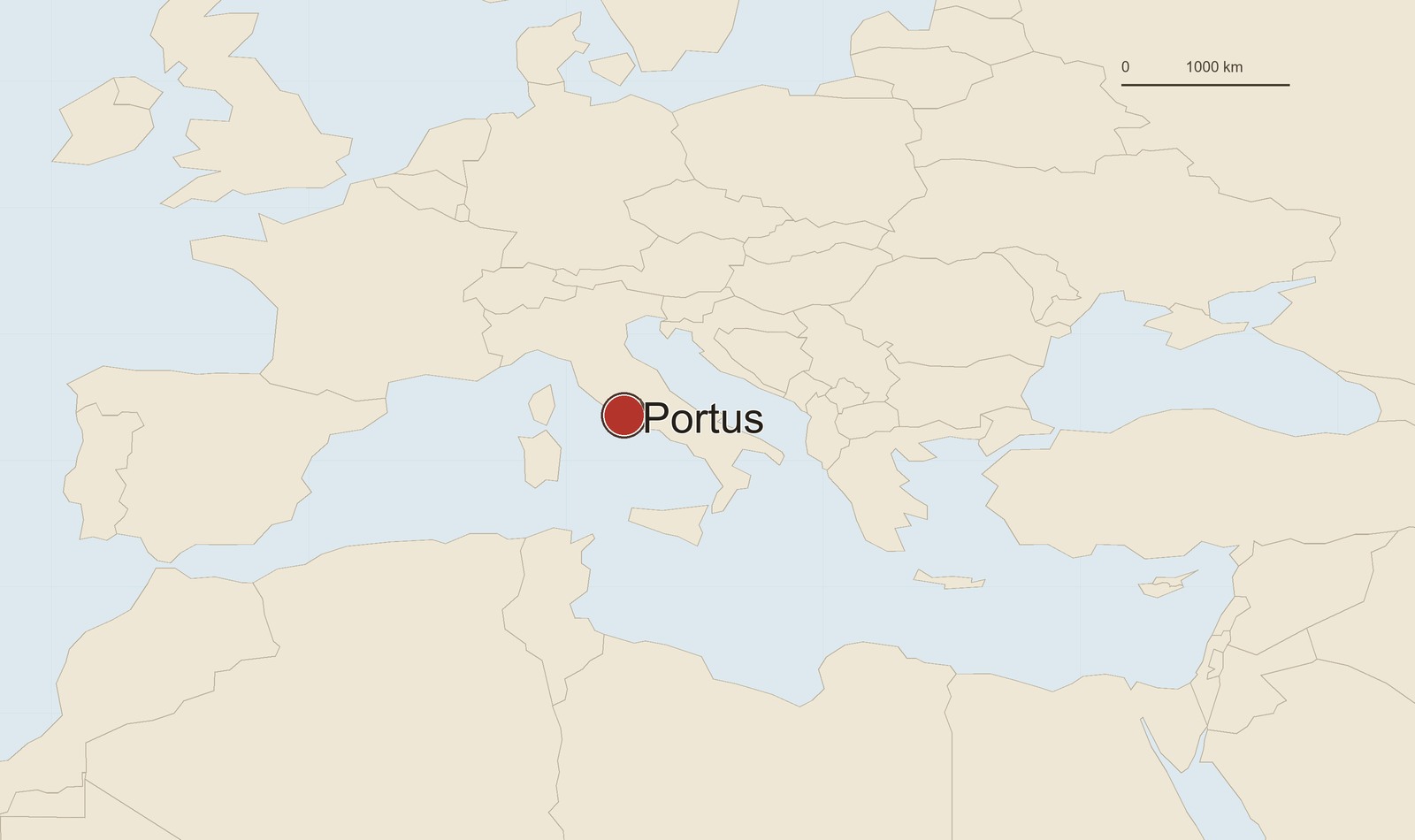 Location map: Portus. The marker shows the ancient site or main archaeological complex.
Archaeological complex
The complex included the outer Claudian harbour, Trajan's hexagonal basin, canals to the Tiber, warehouses, docks, roads and service areas. For Roman history it is a key to the annona, long-distance supply of grain, oil, wine, building materials and the movement of people between sea, river and capital.
Portus is best understood through the harbour plan and preserved landscape: Trajan's hexagonal basin, canals, warehouses and service zones form infrastructure rather than an ordinary city quarter. Visual evidence is especially important for grasping the scale of the harbour system and its connection with the Tiber.
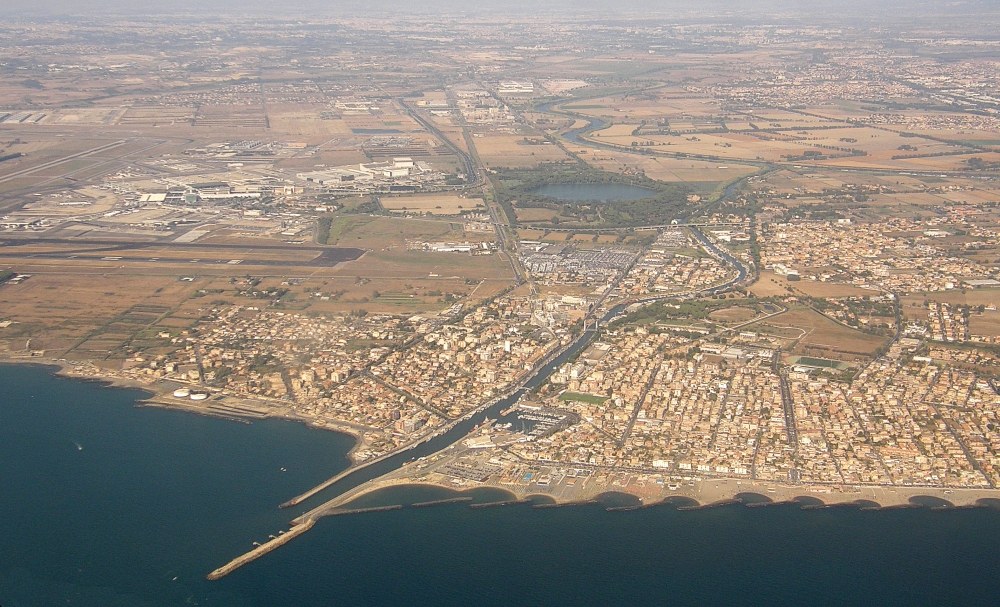 Portus: Fiumicino 03 (RaBoe); general view or excavated sector, Roman period, archaeological site or museum context.
Finds and material setting
The finds and layout of Portus matter less for the appearance of a soldier than for the economy of empire: amphorae, building stamps, quays, storage spaces and road links show how material flows became urban life. Portus also helps read Ostia not as an isolated town but as part of a harbour system.
- plan of Claudius' harbour and Trajan's basin;
- canals, quays, warehouses and road links;
- amphora material, building stamps and evidence for the annona;
- geophysical and landscape-archaeology data.
Interpretation and limits
Much interpretation of Portus depends on topography, geophysics, excavated sectors and landscape reconstruction. The visible ruins need to be separated from reconstructed plans of basins and canals, because the plan rather than any single object is the primary source.
Related topics
Literature and sources
- Simon Keay et al. Portus: An Archaeological Survey of the Port of Imperial Rome. London, 2005.
- The Portus Project: survey and excavation publications.
- Parco archeologico di Ostia antica: Portus material.


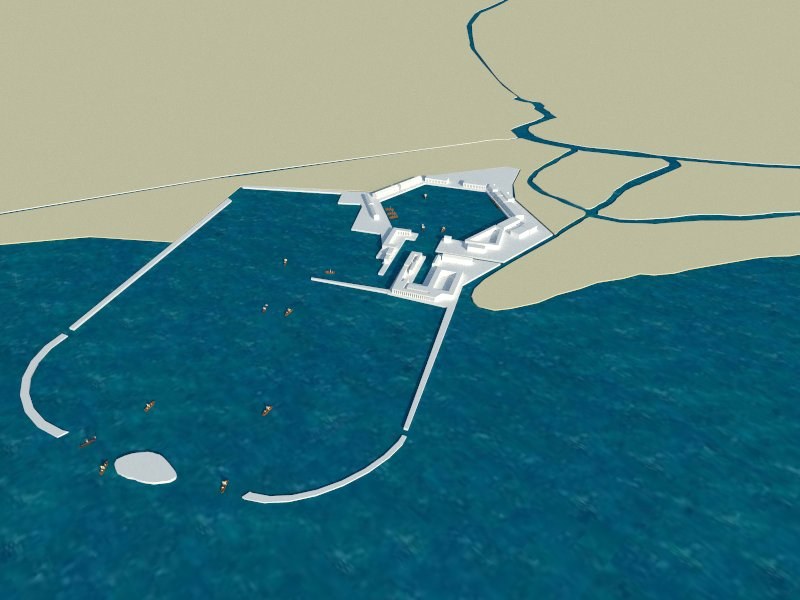 Portus: Portus - Claudius first harbour and hexagonal basin extension under Trajan; visual evidence for the site, Roman period, archaeological site or museum context.
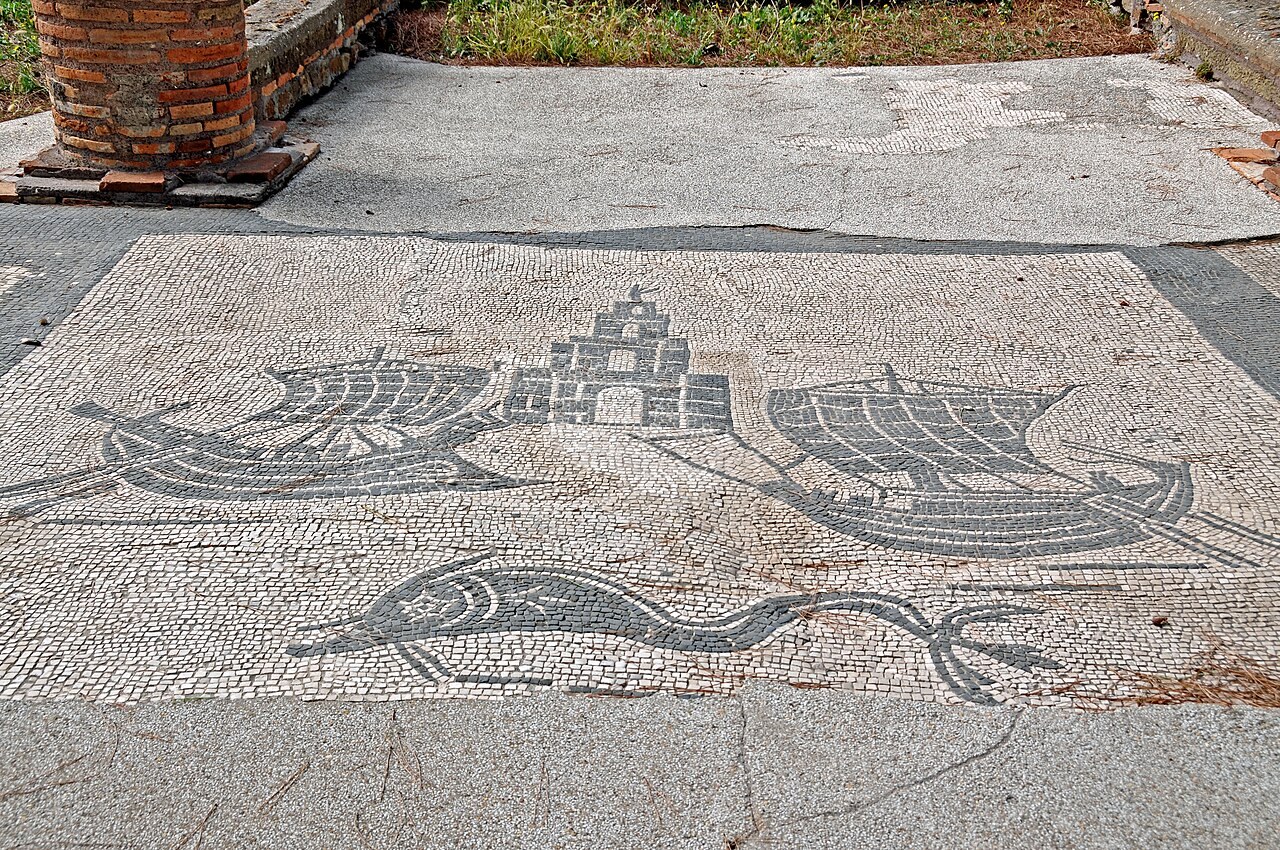 Portus: Italy-0510; visual evidence for the site, Roman period, archaeological site or museum context.
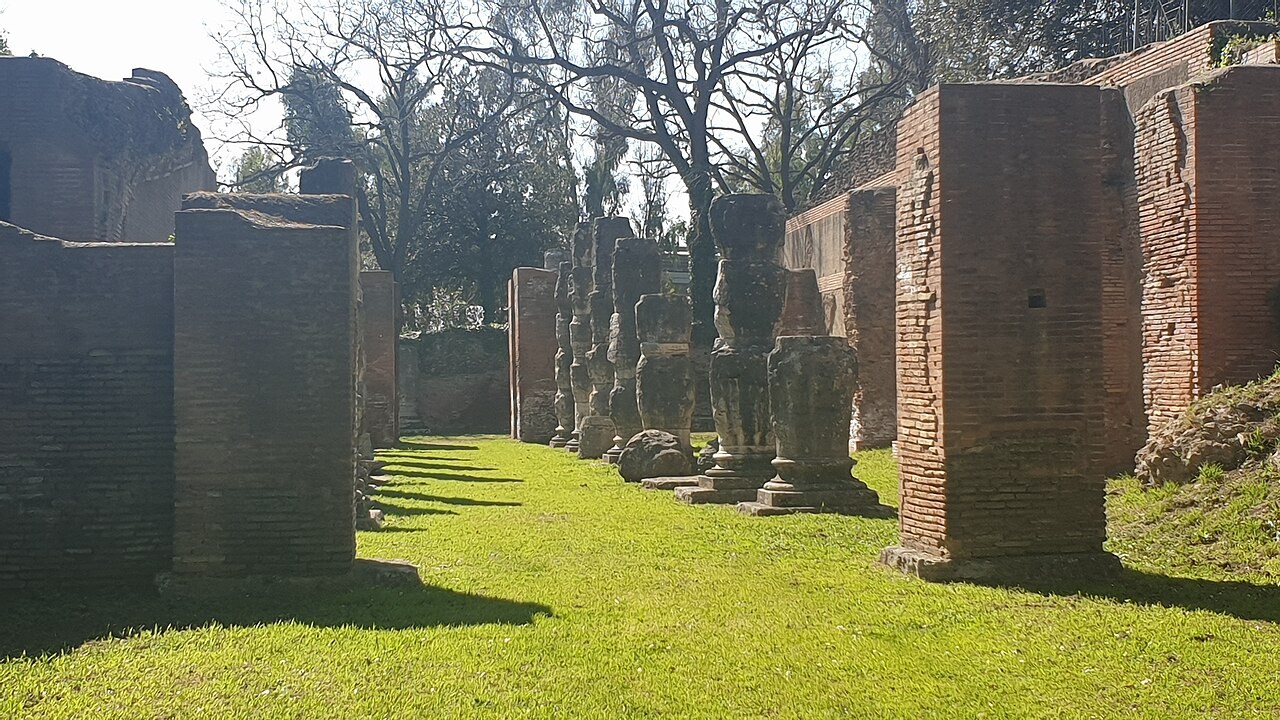 Portus: Portico of Cladius 07; visual evidence for the site, Roman period, archaeological site or museum context.
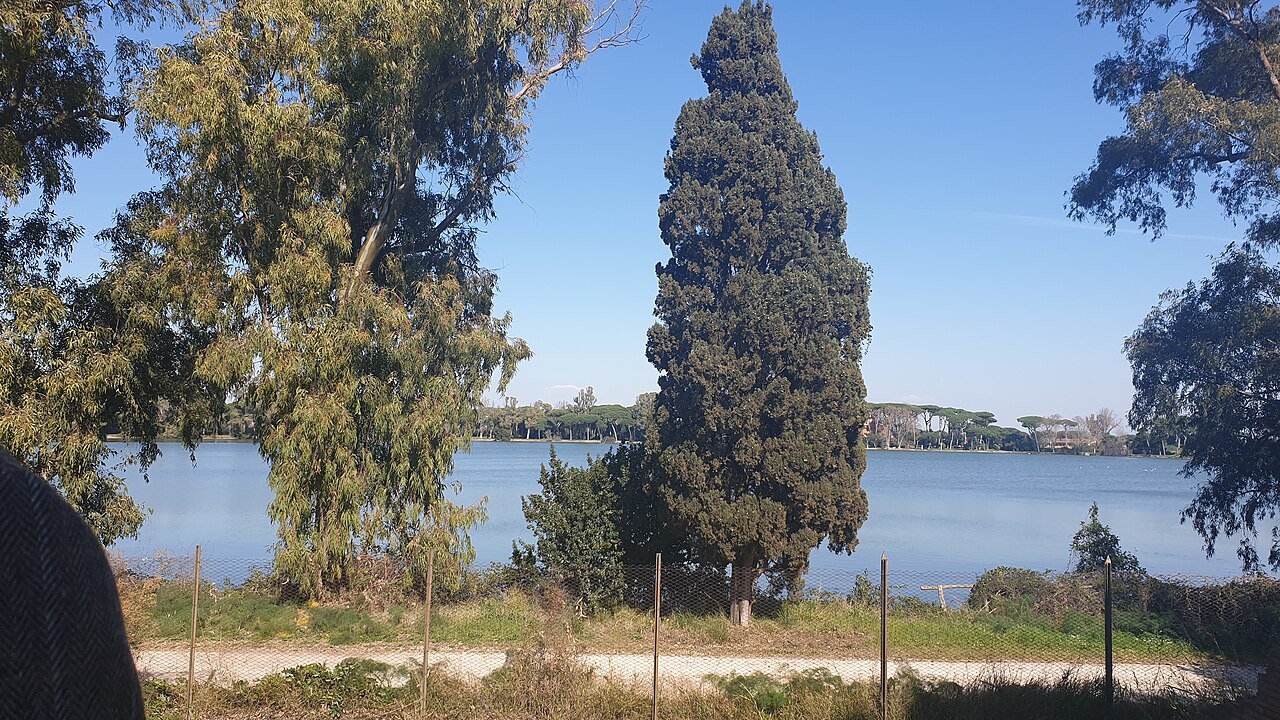 Portus: Hexagonal Basin 04; visual evidence for the site, Roman period, archaeological site or museum context.
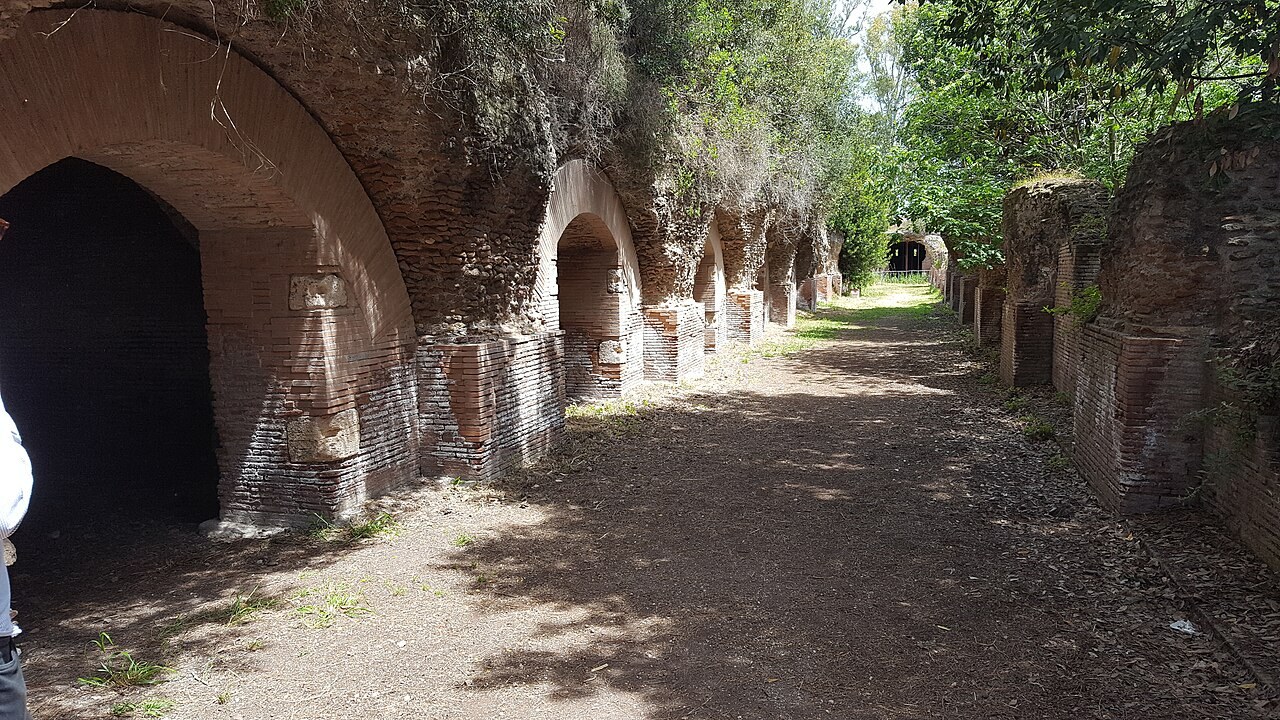 Portus: Severan Warehouses 02; visual evidence for the site, Roman period, archaeological site or museum context.
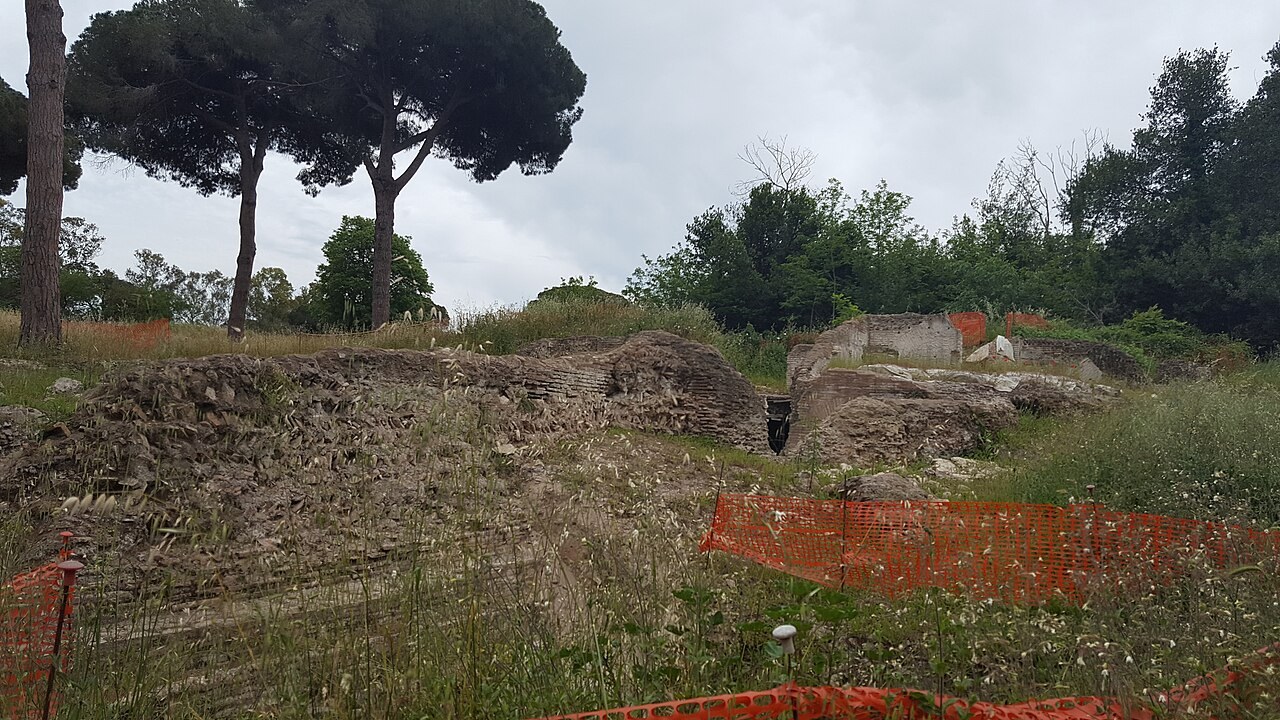 Portus: Imperial Palace Complex 01; archaeological view, find or museum context connected with the site, Roman period or local archaeological context.
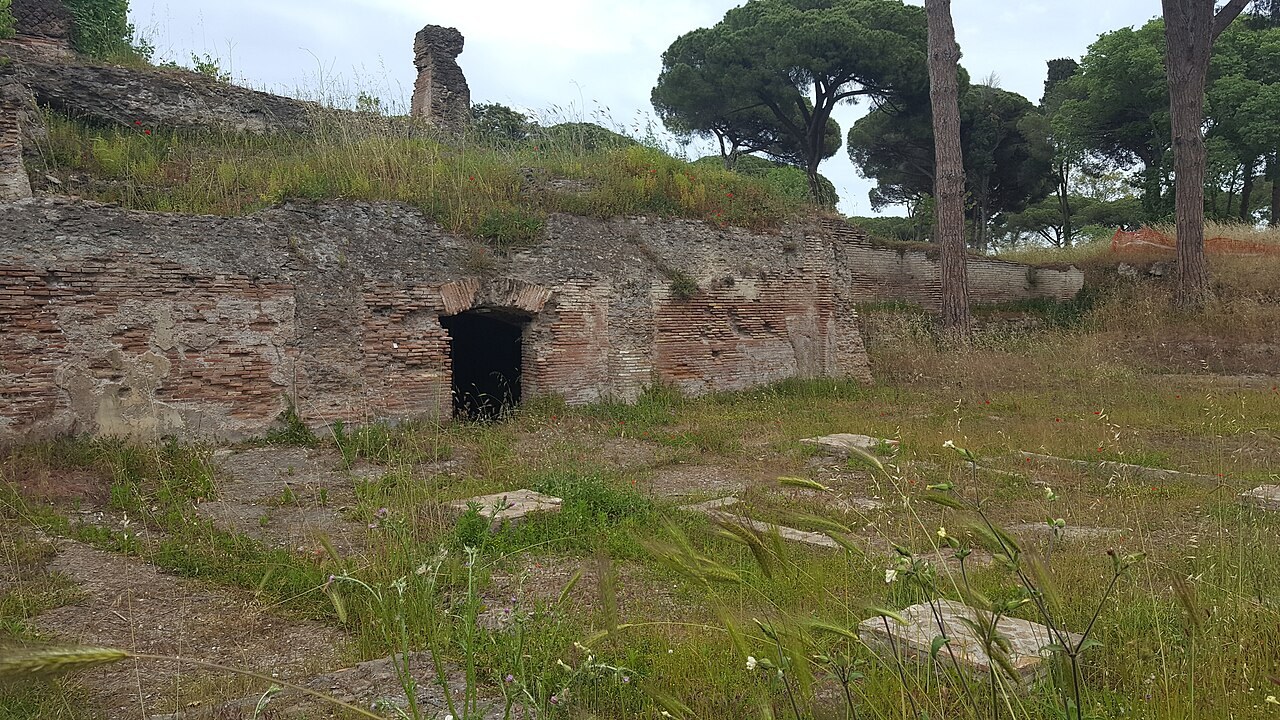 Portus: Imperial Palace Complex 03; archaeological view, find or museum context connected with the site, Roman period or local archaeological context.
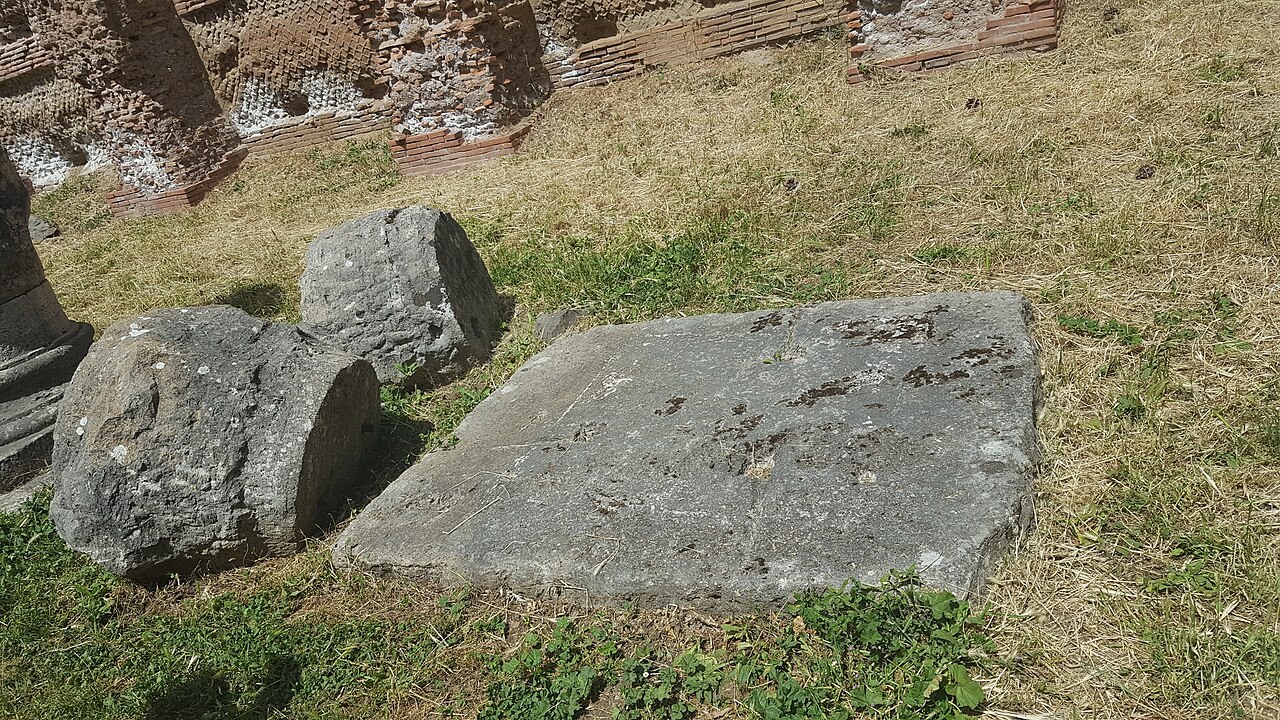 Portus: Column Base, Portus Romae; archaeological view, find or museum context connected with the site, Roman period or local archaeological context.
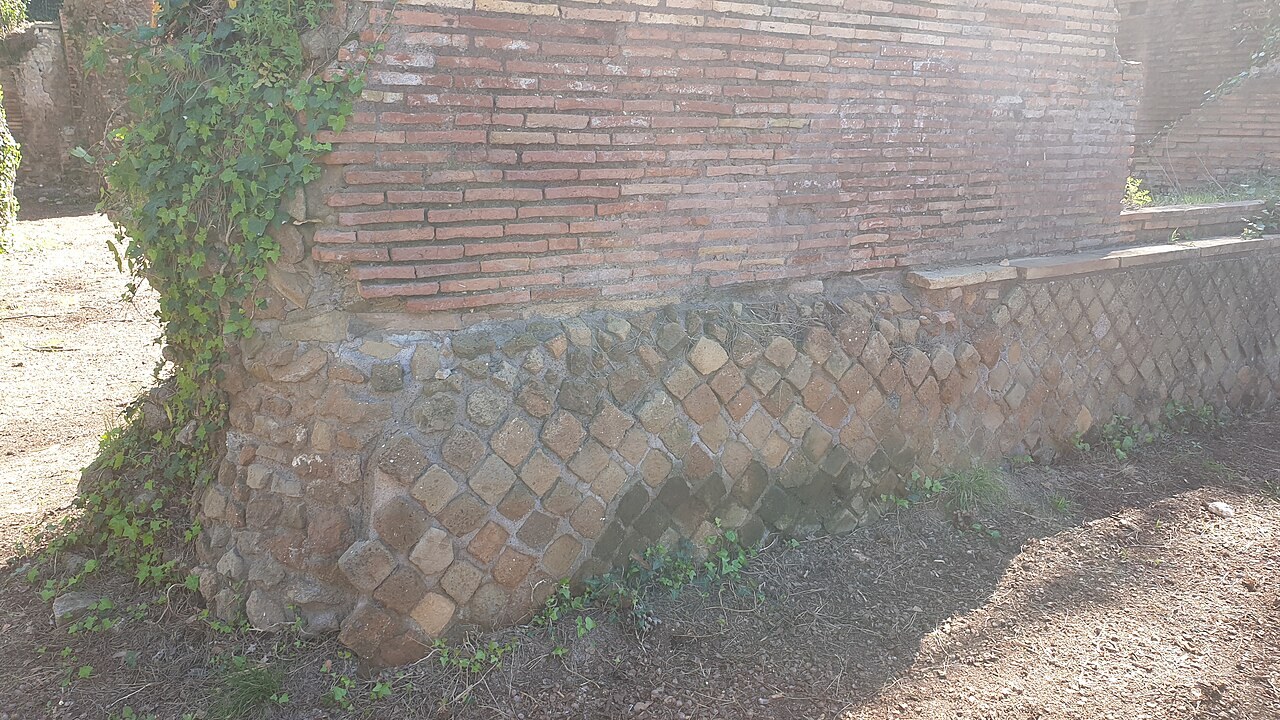 Portus: Opus Reticulatum and Brick; archaeological view, find or museum context connected with the site, Roman period or local archaeological context.
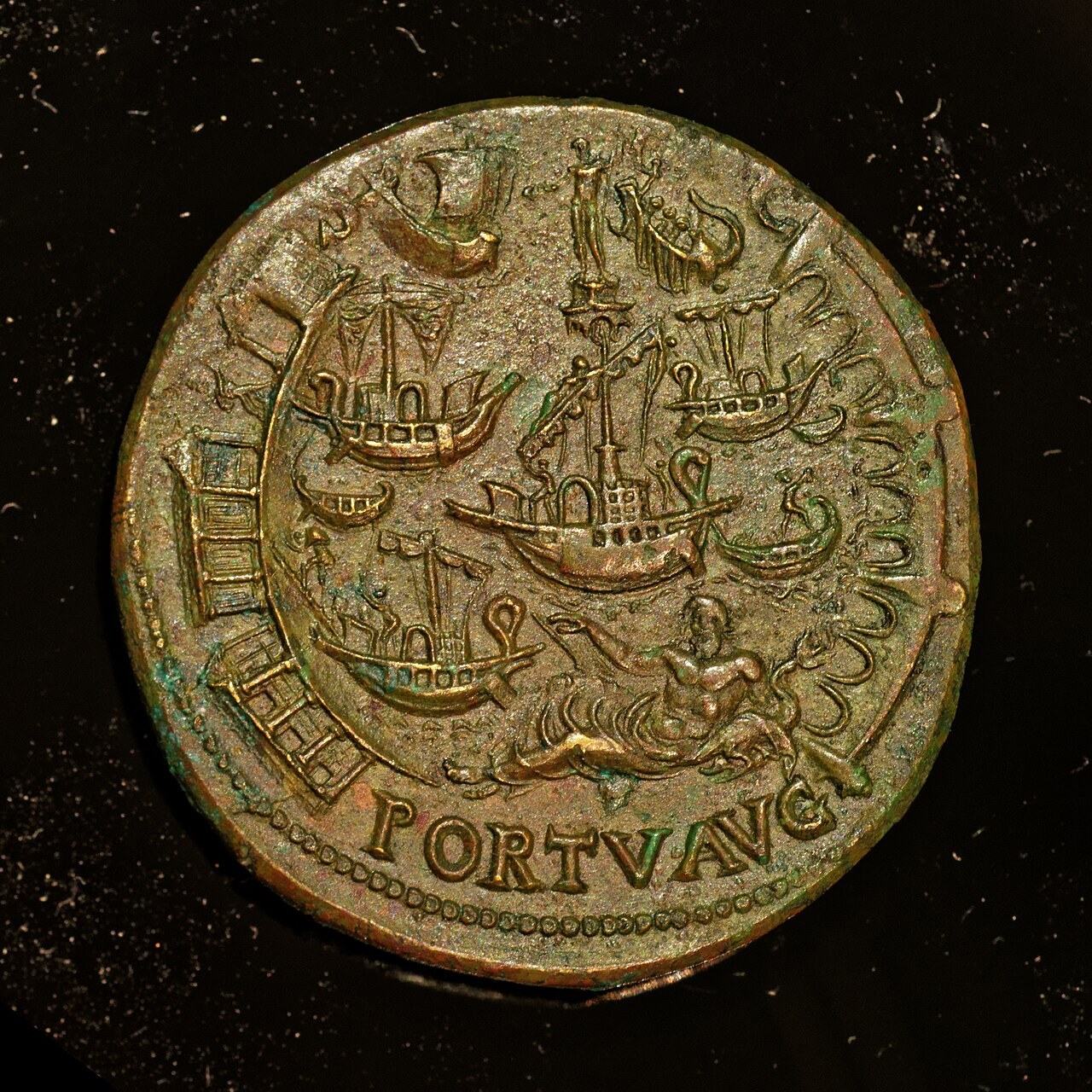 Portus: MBA LYON - Expo Claude - Sesterce Neron Portus; visual evidence for the site, Roman period, archaeological site or museum context.
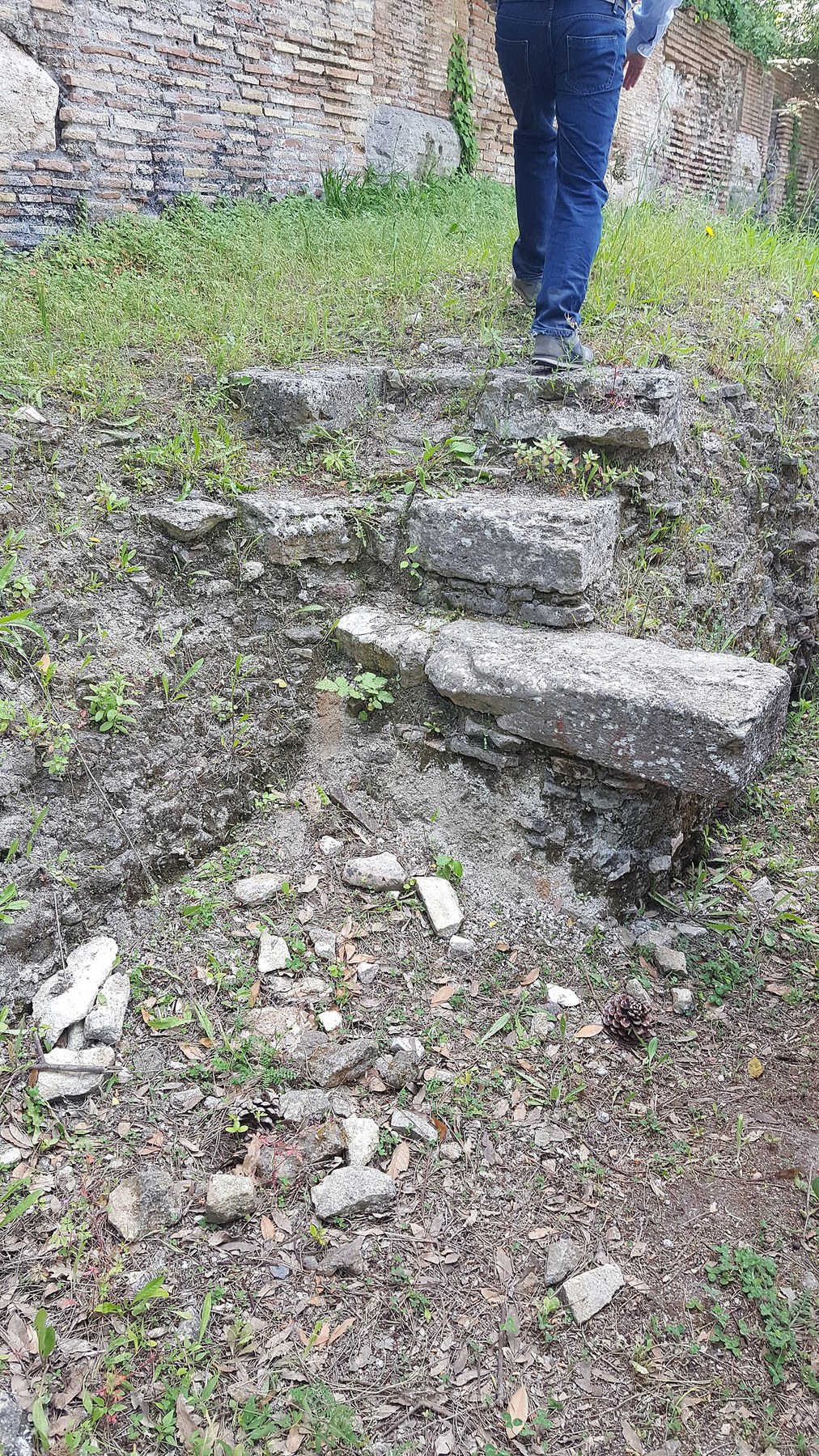 Portus: Built-In Steps; visual evidence for the site, Roman period, archaeological site or museum context.
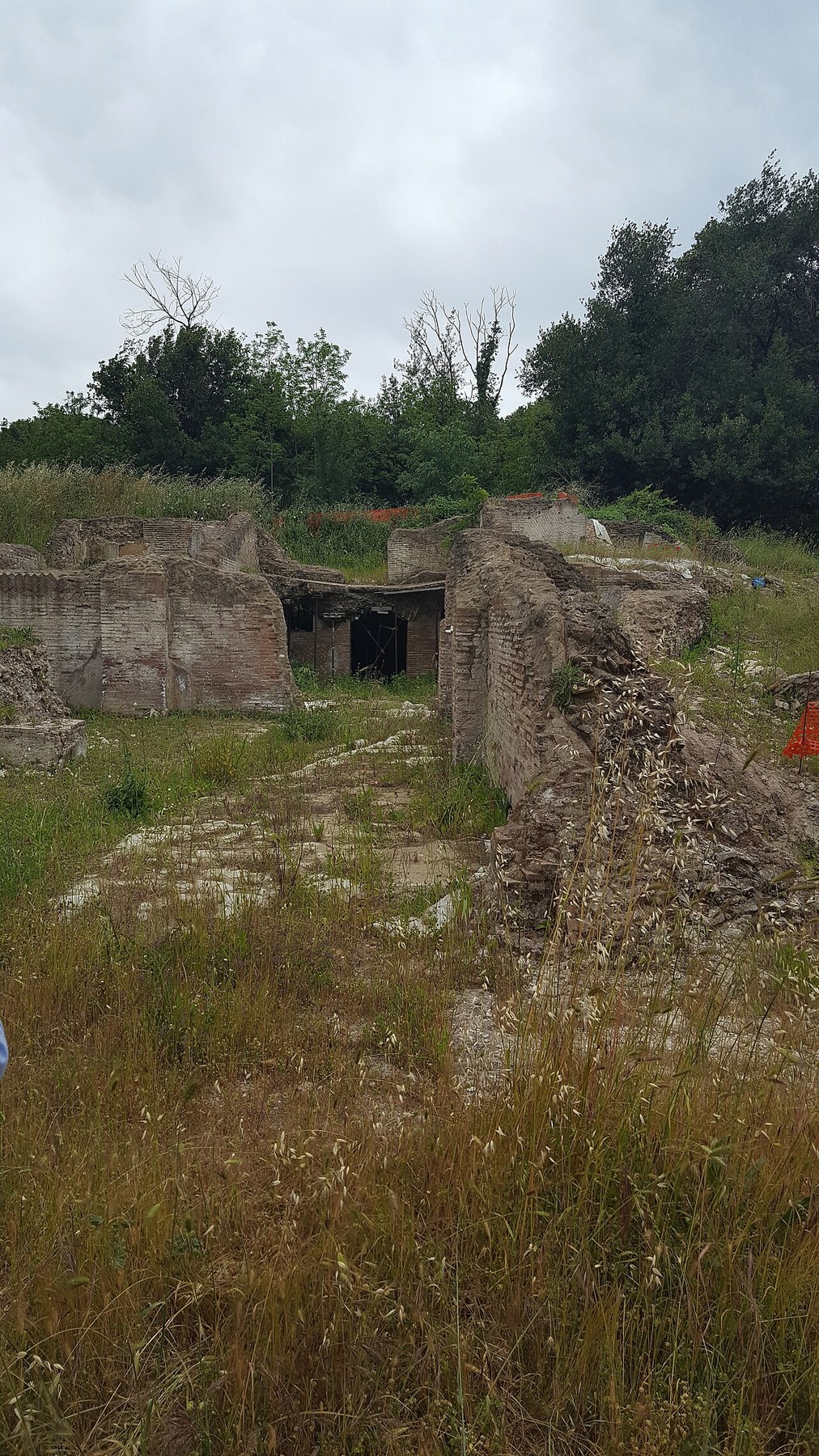 Portus: Imperial Palace Complex 04; archaeological view, find or museum context connected with the site, Roman period or local archaeological context.
Interested in Ancient Rome beyond reading? Join Legio X Fretensis or explore our reenactment directions.


