Roman Finds in Crimea
Roman finds in Crimea matter not as one closed complex, but as a network of northern Black Sea sites: Chersonesus, Panticapaeum, the Bosporan Kingdom, Charax, military posts, cemeteries, inscriptions, coins, amphorae and everyday objects. They show Rome acting on the edge of empire, where direct military presence combined with allied cities and local traditions.
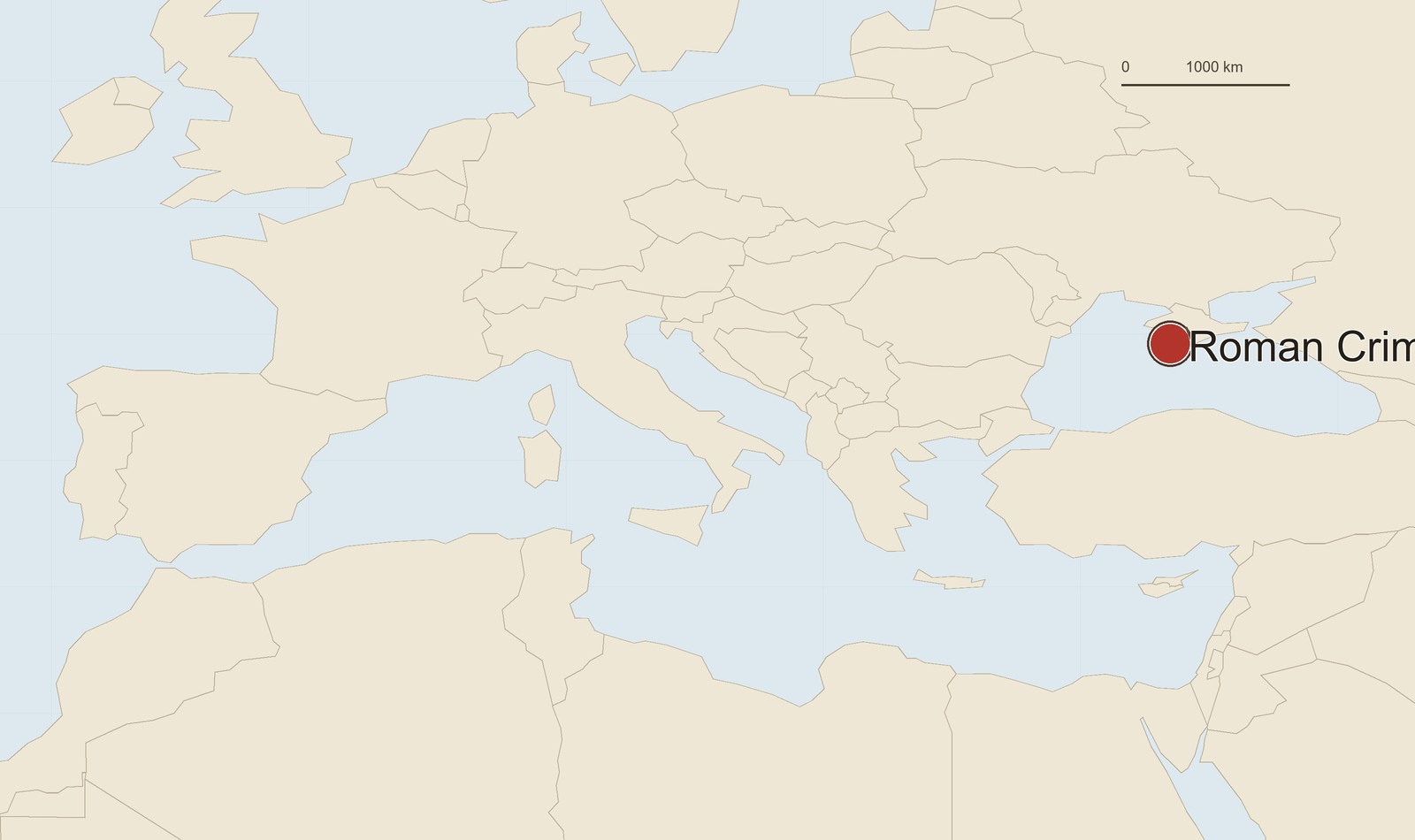 Location map: Roman Crimea: Chersonesus, Panticapaeum and Charax. The marker shows the ancient site or main archaeological complex.
Archaeological complex
Tauric Crimea was not an ordinary province like Gaul or Moesia. Roman influence worked through Chersonesus, the Bosporan Kingdom, diplomatic alliances, garrisons, naval and land vexillations. Important points for the article are Tauric Chersonesus, Panticapaeum at Kerch, the Charax fortification on Ai-Todor, cemeteries, coin finds and inscriptions that preserve Roman names, offices and military units.
The Crimean evidence cannot be reduced to one city: Chersonesus, the Bosporus, Charax and coastal sites provide different forms of Roman presence, from garrisons to trade and diplomacy. Visual material is needed to distinguish urban excavations, fortified zones, inscriptions, amphorae and museum finds of the northern Black Sea.
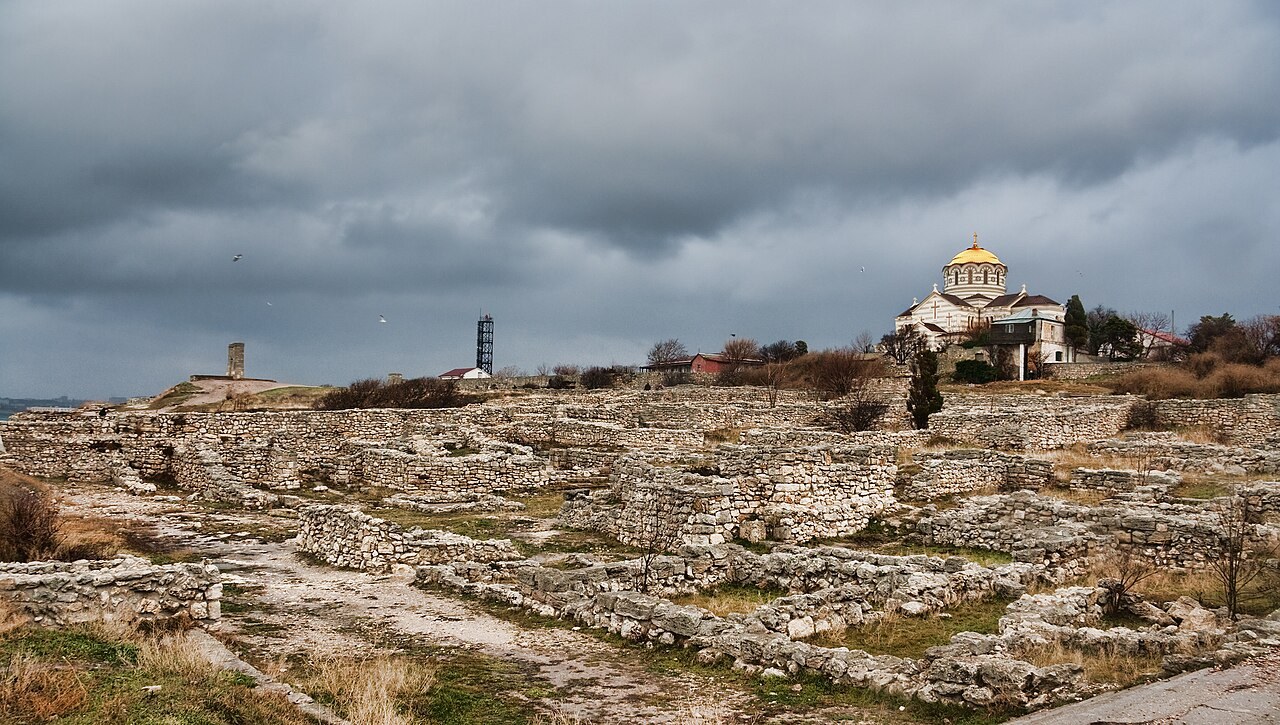 Roman Finds in Crimea: Chersonesos ruins; general view or excavated sector, ancient and Roman-period context of the northern Black Sea.
Finds and material setting
The Crimean evidence includes Latin and Greek inscriptions, coins of Bosporan kings and Rome, amphorae, red-slip pottery, lamps, brooches, weapon fittings, building remains, funerary assemblages and cult objects. For reconstruction, the mixed character of the evidence is especially important: Greek civic tradition, Sarmatian-Bosporan society and Roman military organisation existed side by side.
Visual and archaeological evidence is useful here as a check on the prose: it connects visible walls, layout, finds and museum objects with the historical setting. Main evidence groups:
- Chersonesus, Panticapaeum, Charax and Bosporan Kingdom sites;
- Latin and Greek inscriptions, amphorae, coins, pottery and military fittings;
- traces of Roman units, diplomacy and trade;
- museum collections and corpora of northern Black Sea inscriptions.
Interpretation and limits
Crimean finds should not be read as a direct snapshot of life inside an imperial province. This was a frontier and allied zone where Roman objects could arrive through garrison service, trade, diplomatic gifts, local imitation and the movement of people. Each object therefore needs context: Chersonesus, the Bosporus, Charax, a cemetery, a stray find or a museum collection offer different levels of reliability.
Related topics
- Roman Archaeological Sources
- Roman Empire
- Roman Army
- Mithridates VI Eupator
- Legio XI Claudia
- Legio V Macedonica
Literature and sources
- O. V. Vus. The mobile grouping of the Roman army in Taurica in the late third to fifth centuries AD. MAIASK 8, 2016.
- S. Yu. Saprykin. The Bosporan Kingdom at the turn of two eras. Moscow, 2002.
- IOSPE: Inscriptiones antiquae Orae Septentrionalis Ponti Euxini, corpus of northern Black Sea inscriptions.


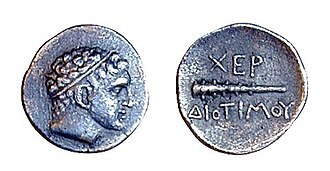 Roman Finds in Crimea: Odessa museum expo 12; visual evidence for the site, ancient and Roman-period context of the northern Black Sea.
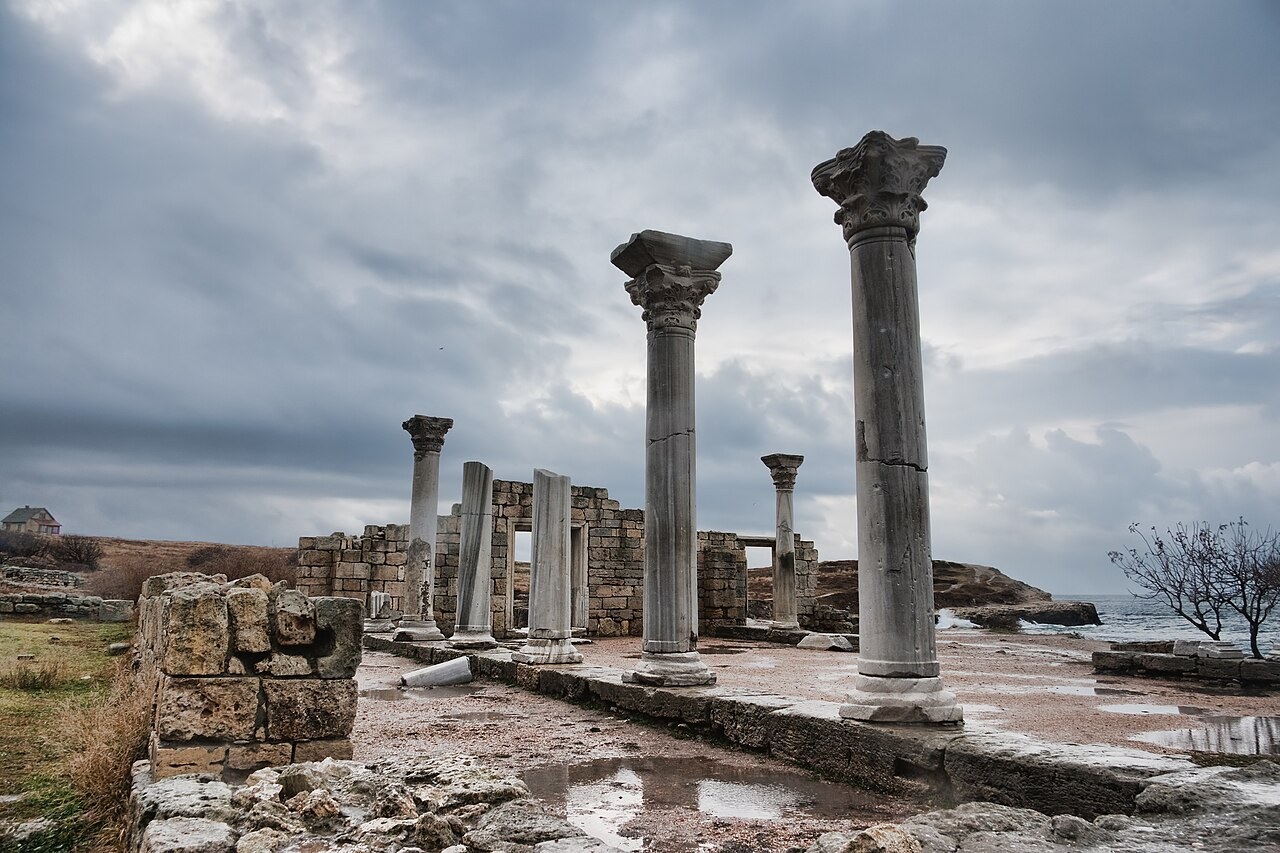 Roman Finds in Crimea: Chersonesos columns; visual evidence for the site, ancient and Roman-period context of the northern Black Sea.
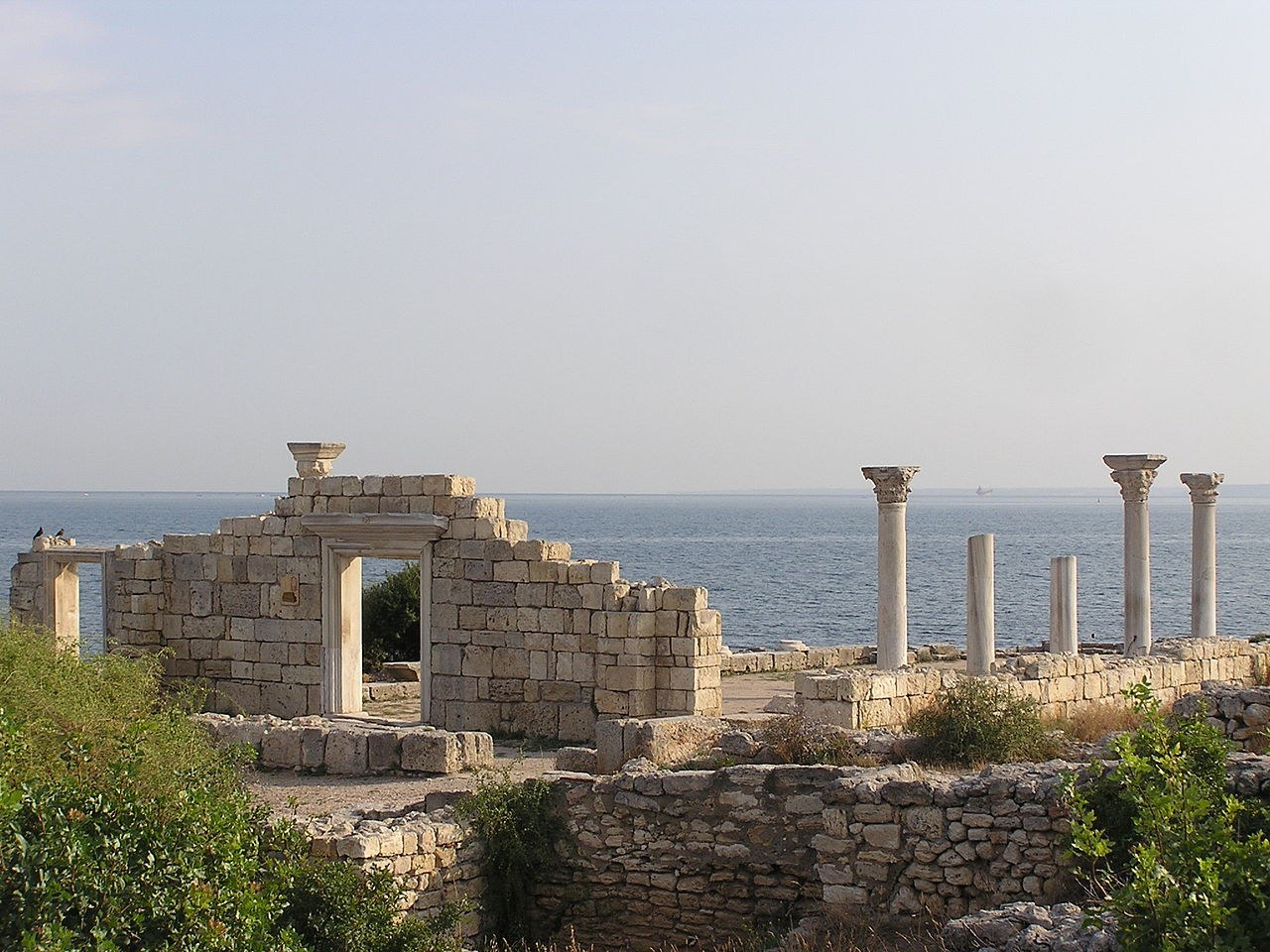 Roman Finds in Crimea: Basilica discovered in 1935, Chersonesus; visual evidence for the site, ancient and Roman-period context of the northern Black Sea.
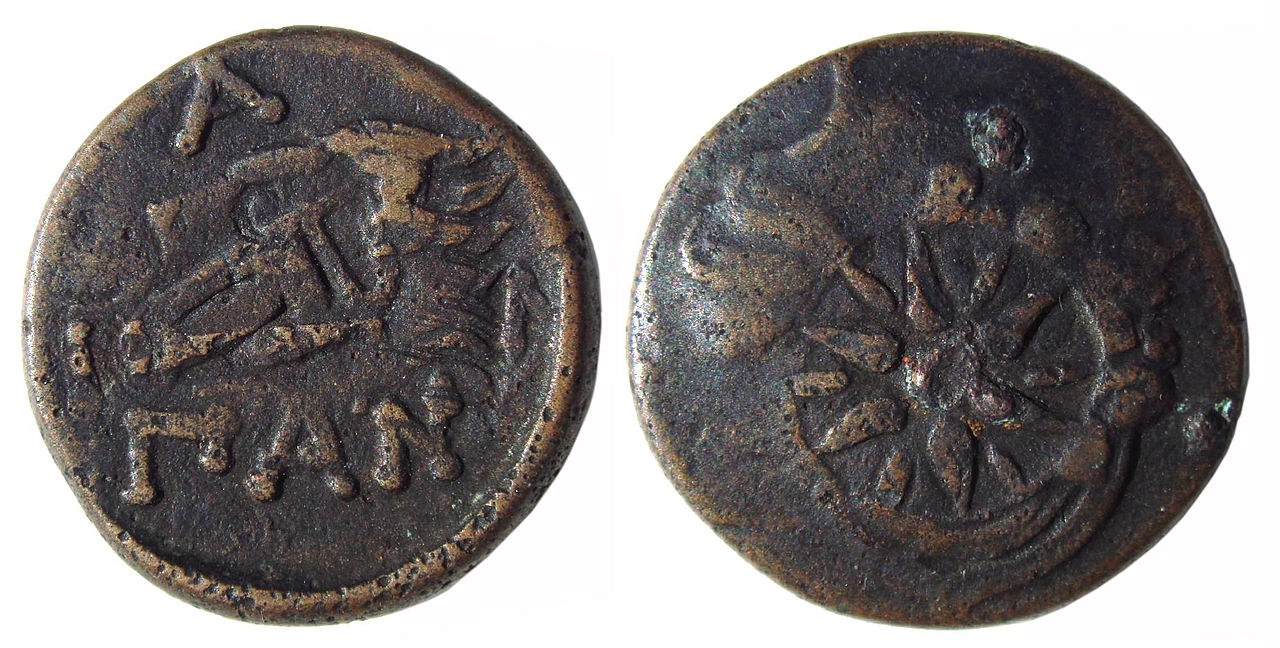 Roman Finds in Crimea: ThracianCoin; visual evidence for the site, ancient and Roman-period context of the northern Black Sea.
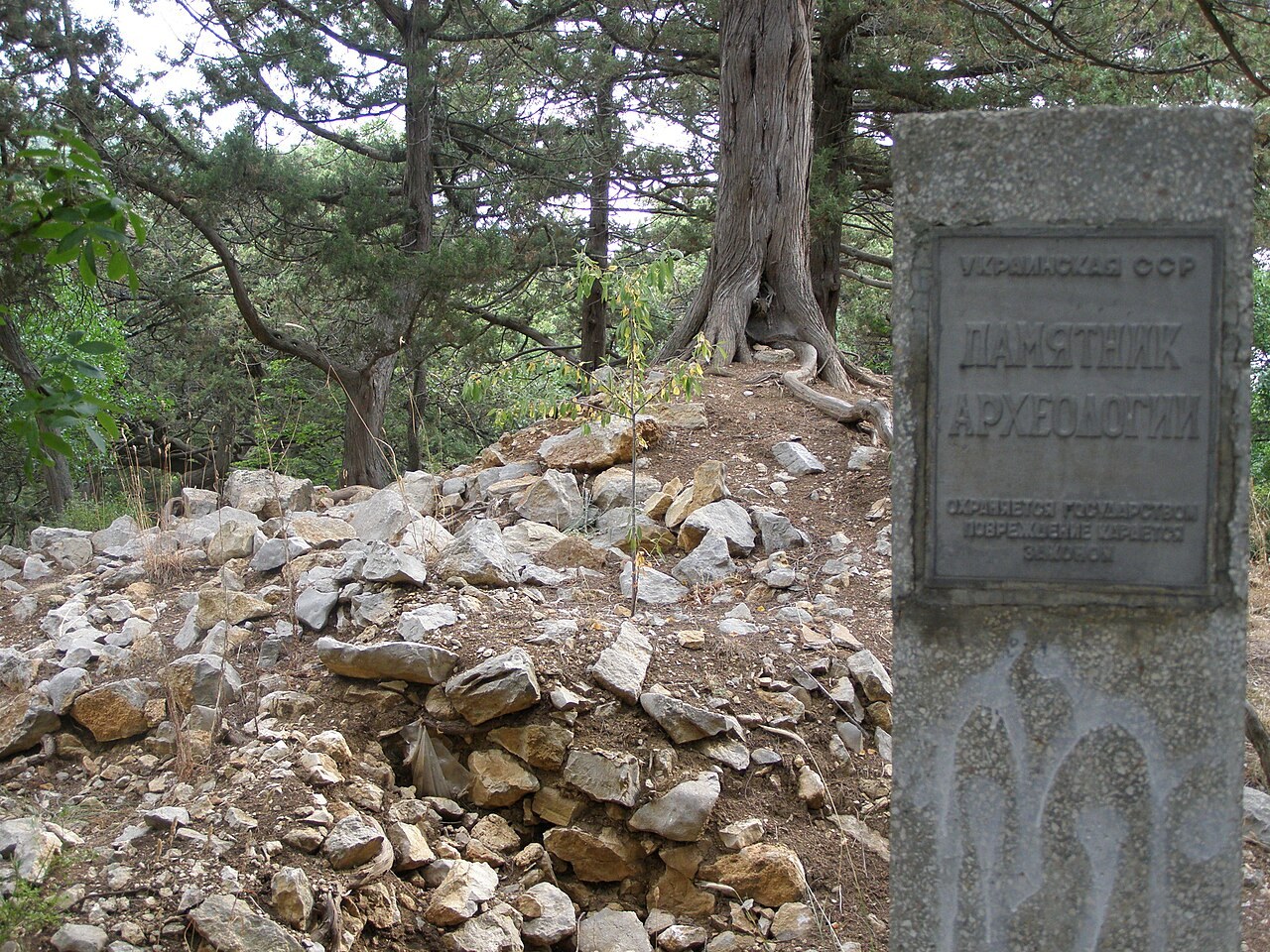 Roman Finds in Crimea: Charax1; visual evidence for the site, ancient and Roman-period context of the northern Black Sea.
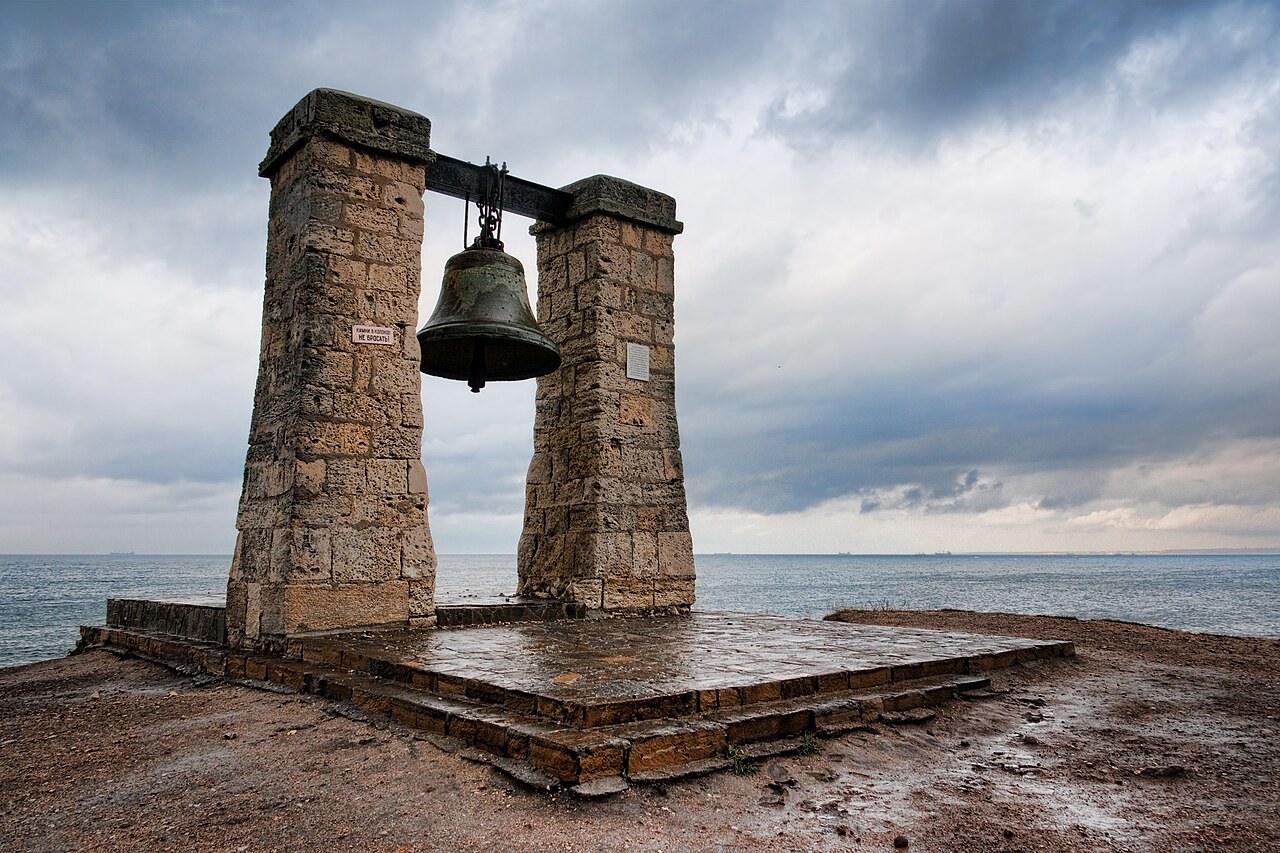 Roman Finds in Crimea: Chersonesos Bell; visual evidence for the site, ancient and Roman-period context of the northern Black Sea.
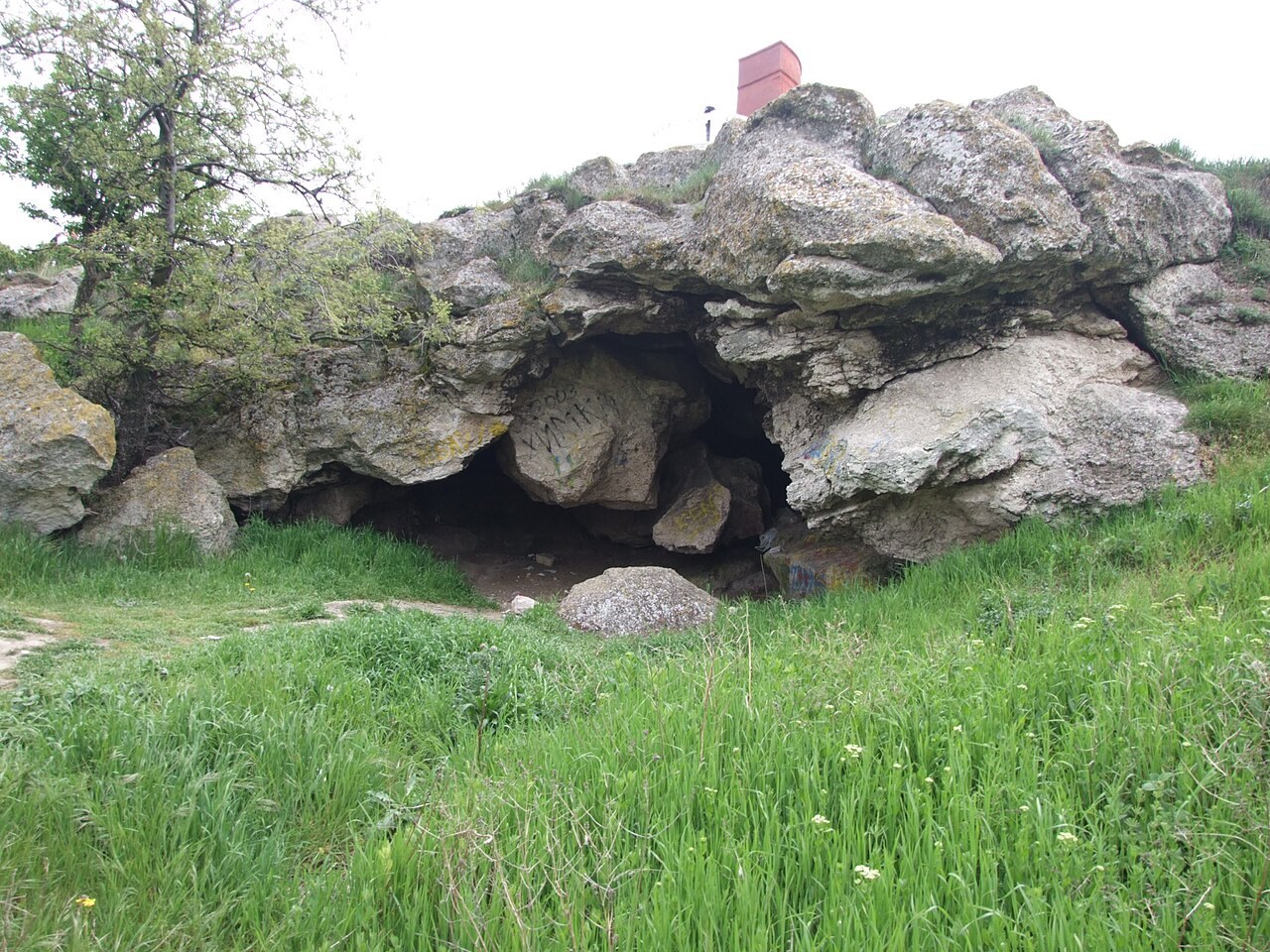 Roman Finds in Crimea: Crimea Kerch Mrirmekiy archeological site-17; archaeological view, find or museum context connected with the site, Roman period or local archaeological context.
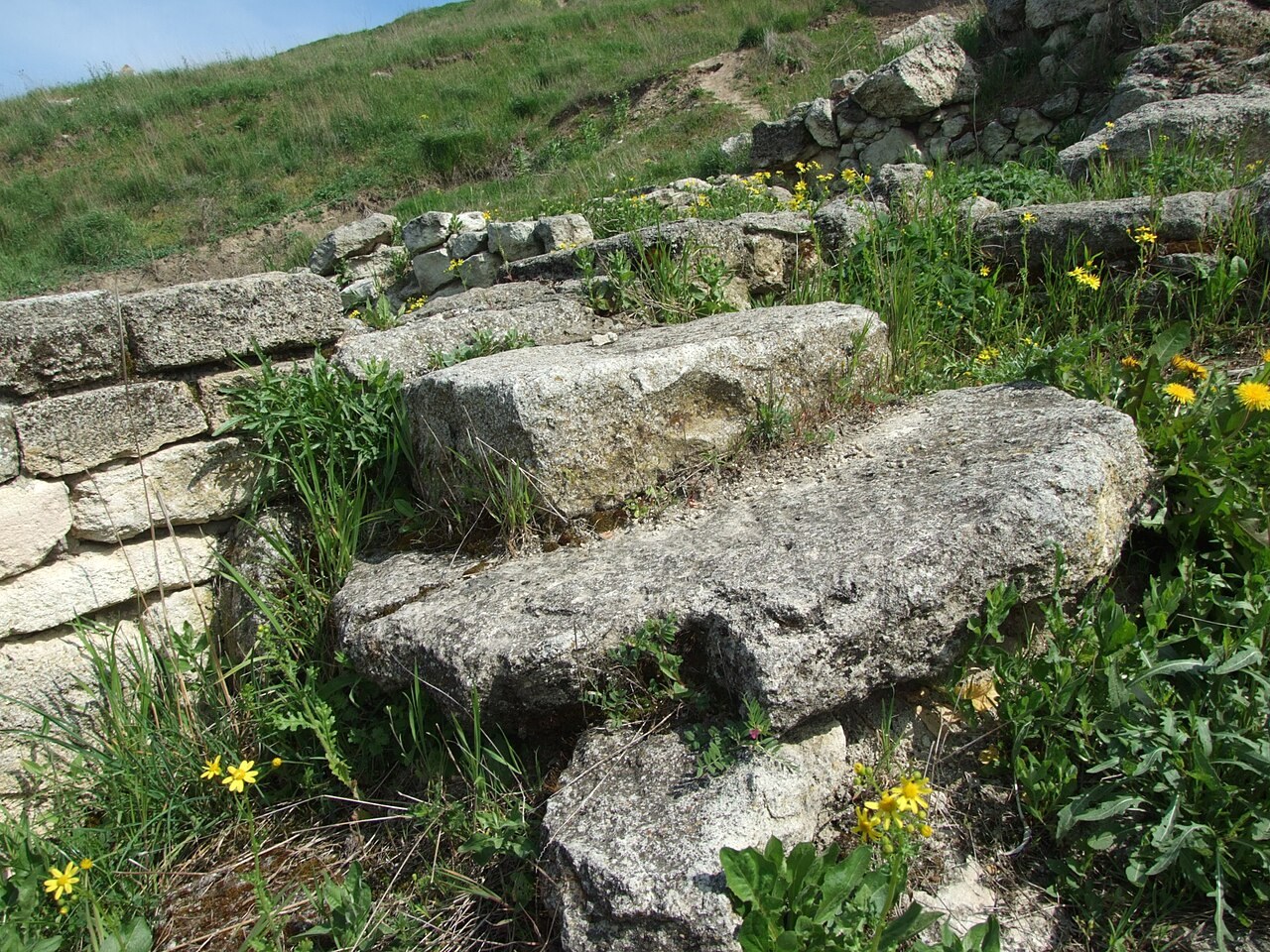 Roman Finds in Crimea: Crimea Kerch Pantikapey archeological site-07; archaeological view, find or museum context connected with the site, Roman period or local archaeological context.
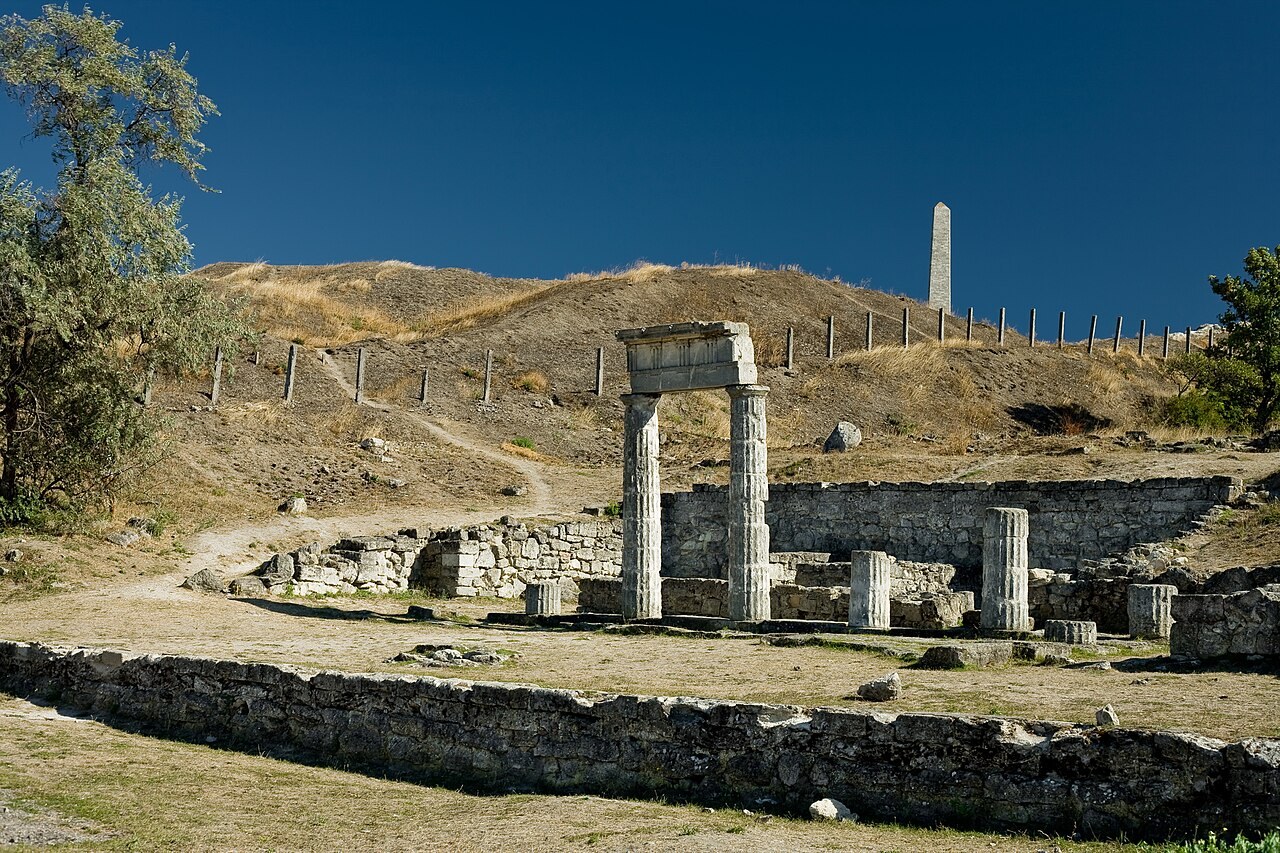 Roman Finds in Crimea: Architectural and archaeological complex of ancient Panticapaeum; archaeological view, find or museum context connected with the site, Roman period or local archaeological context.
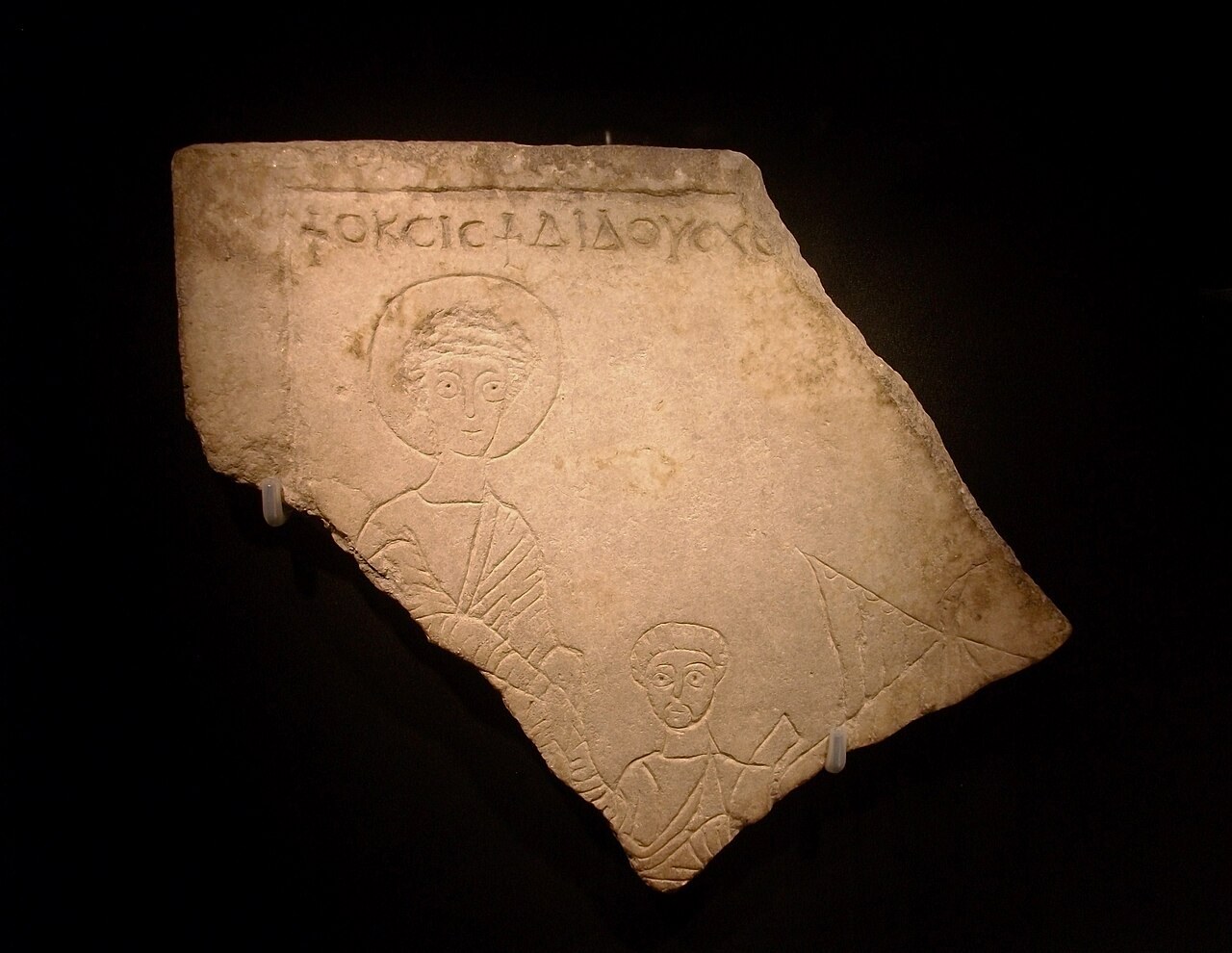 Roman Finds in Crimea: Relief fragment with a scene of the Apostle Peter walking on water; archaeological view, find or museum context connected with the site, Roman period or local archaeological context.
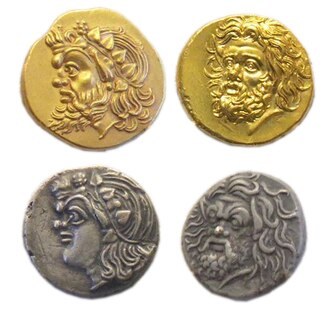 Roman Finds in Crimea: Pan compilation; visual evidence for the site, ancient and Roman-period context of the northern Black Sea.
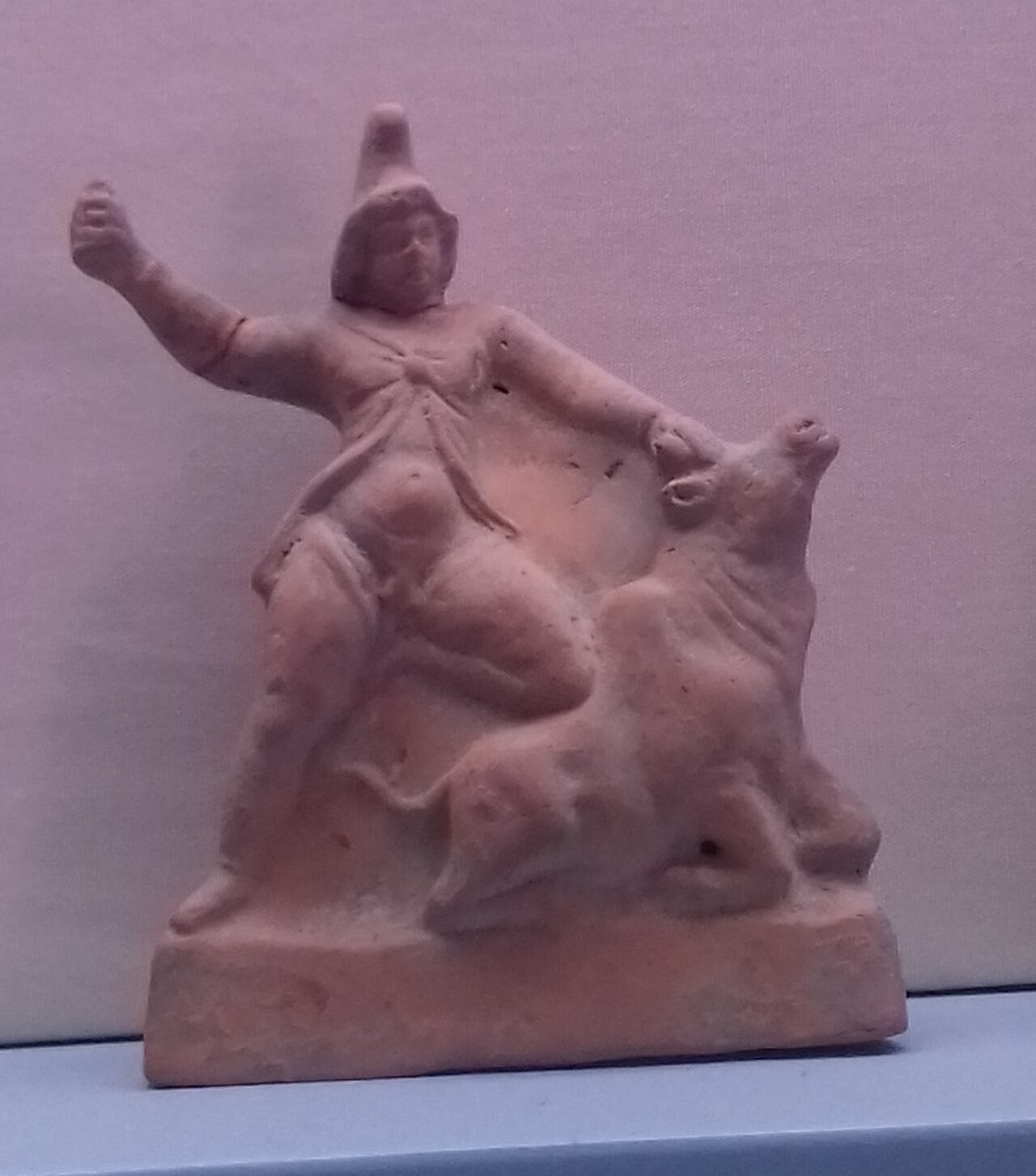 Roman Finds in Crimea: Tauroctonous Mithras-Attis from Kerch; archaeological view, find or museum context connected with the site, Roman period or local archaeological context.
Interested in Ancient Rome beyond reading? Join Legio X Fretensis or explore our reenactment directions.


