Legion Banner Group
Legionary standard-bearers and musicians performed different but related tasks: carrying military insignia, transmitting signals and assisting unit control. They remained soldiers; the claim that they never engaged in close combat is incorrect. Their appearance depended on their office, period and the evidence.
Standard-bearers: - Aquilifer — bearer of the legionary eagle. - Vexillarius — bearer of a vexillum. - Imaginifer — bearer of the emperor’s image. - Signifer — bearer of a unit’s signum.
Musicians: - Bucinator — player of the bucina. - Tubicen — player of the tuba. - Cornicen — player of the cornu.
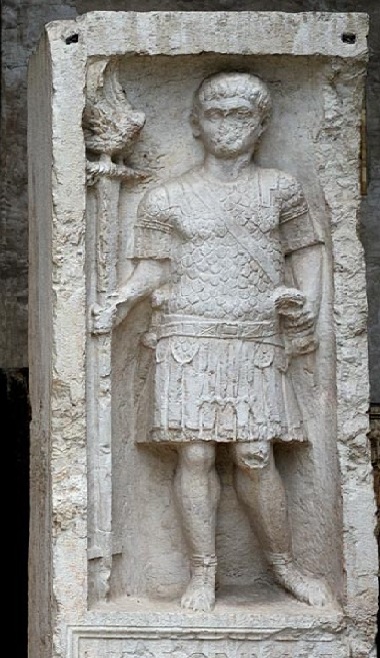 Tombstone bas-relief of Lucius Sertorius Firmus,Aquilifer XI of the loyal and loyal Legion of Claudius. Izvestnyak. Inv. no. 28161. Verona,Maffei Lapidarium Museum. 1st century AD
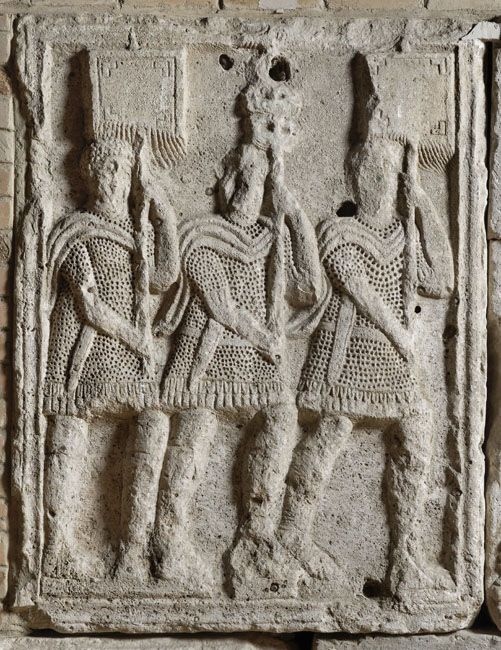 Vexillarii from a bas-relief from Adamklisi,early 2nd century AD.
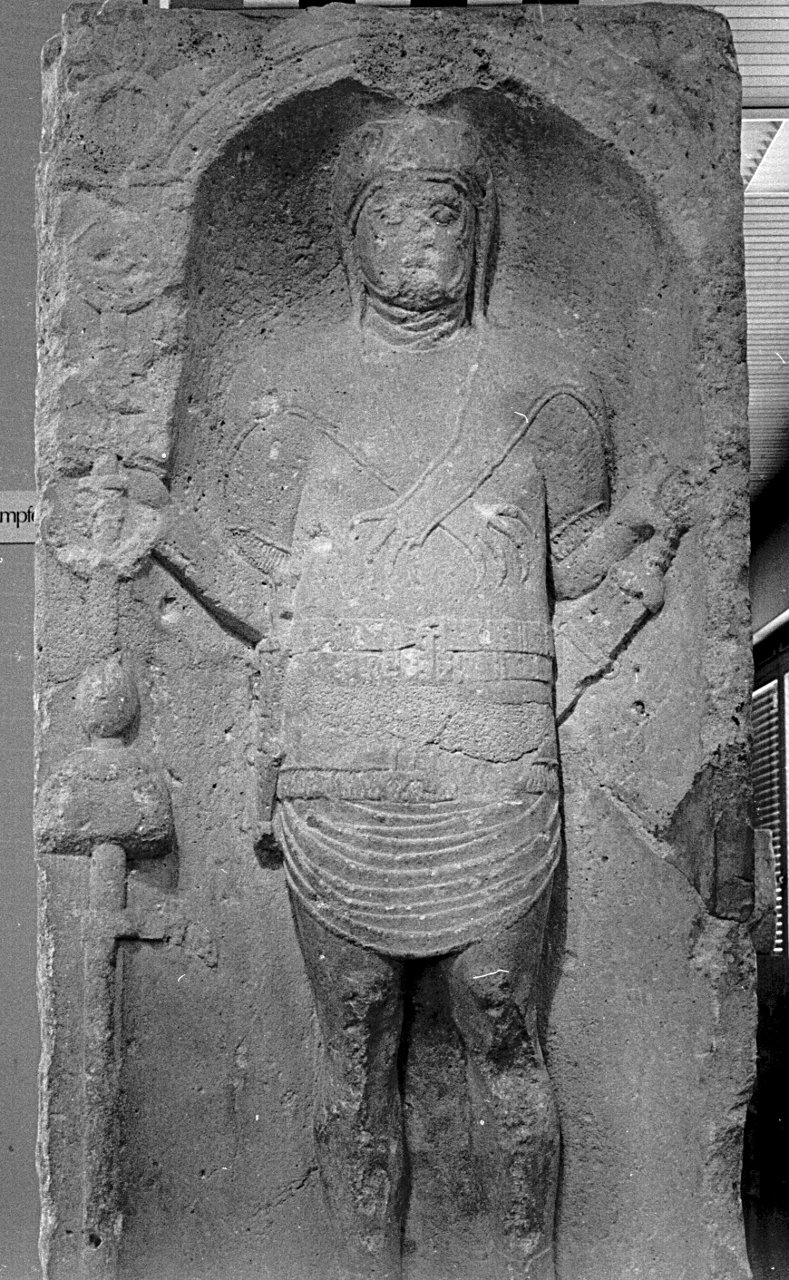 Tombstone of the standard bearer-Signifer Pinatius. Rhenish Museum of Local Lore,Bonn,Germany. 1st century AD
Equipment
The list below combines possible elements from different first- and second-century AD kits; it is not a single compulsory outfit for every standard-bearer or musician.
The equipment of a legionnaire of the banner group of 1-2 centuries AD could consist of the following elements: - Face mask - Parma - Skin of a predatory animal (wolf, bear, lion) - Phalerae - One of the banner types: aquila,vexilla,signa,imago. Or a single musical instrument: bucina,cornu,tuba Fabric / Leather products: - Liner - Paenula,Sagum - Focale - Subarmalis - Tunic - Braccae - Subligaculum - Kaligi,Calcei - Socks Metal protective equipment elements: - Galea - Squamate,Hamata,Segmentata - Cingulum Armament: - Gladius - Pugio Additional elements: - Fibula - Rings - Saccus - Wallet It should be noted that the musicians were dressed more simply than the flag bearers.
 Aquilifer,reconstruction
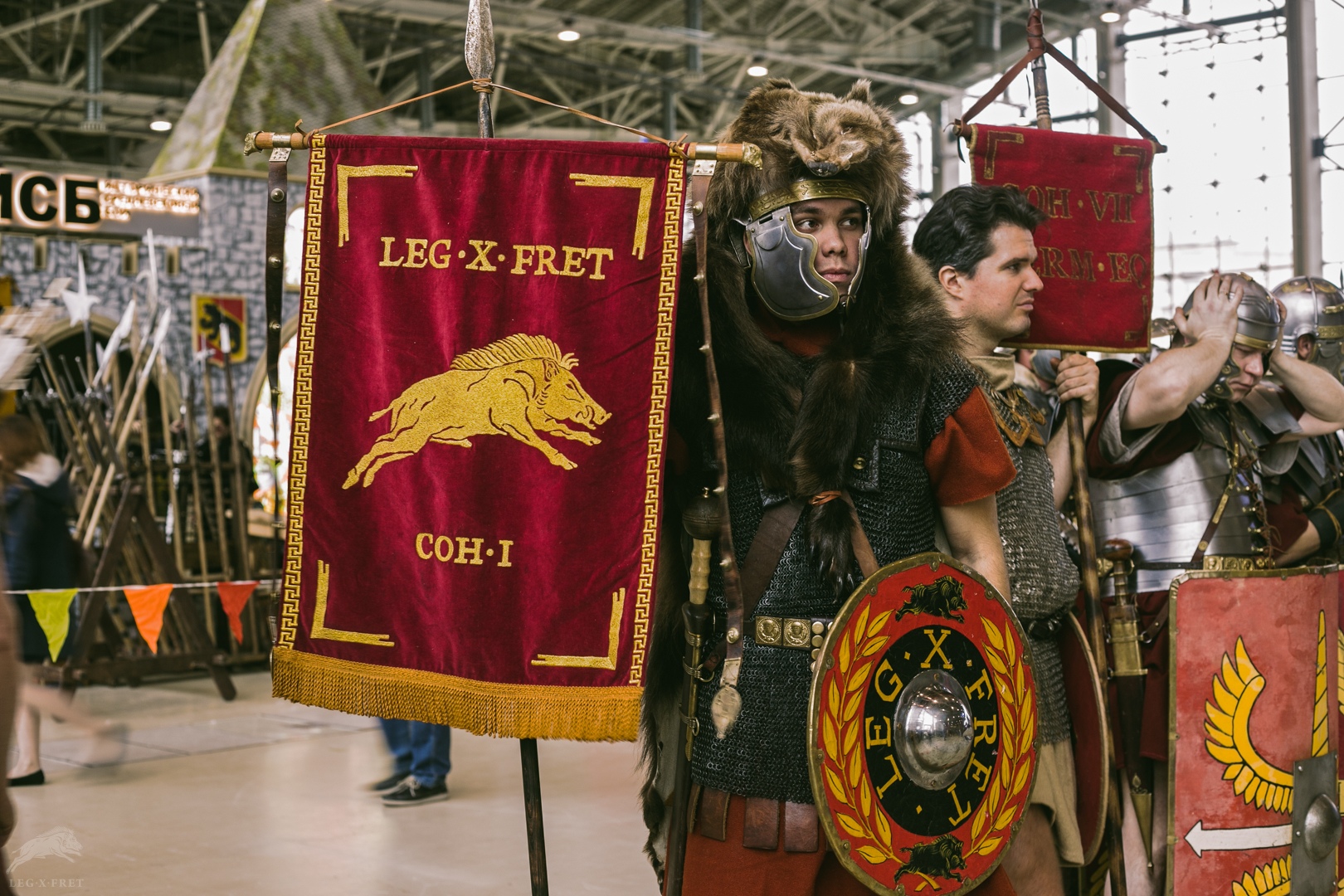 Vexillarium,reconstruction
Related topics
Literature and sources
- Vegetius. Epitoma rei militaris, II.7, II.13.


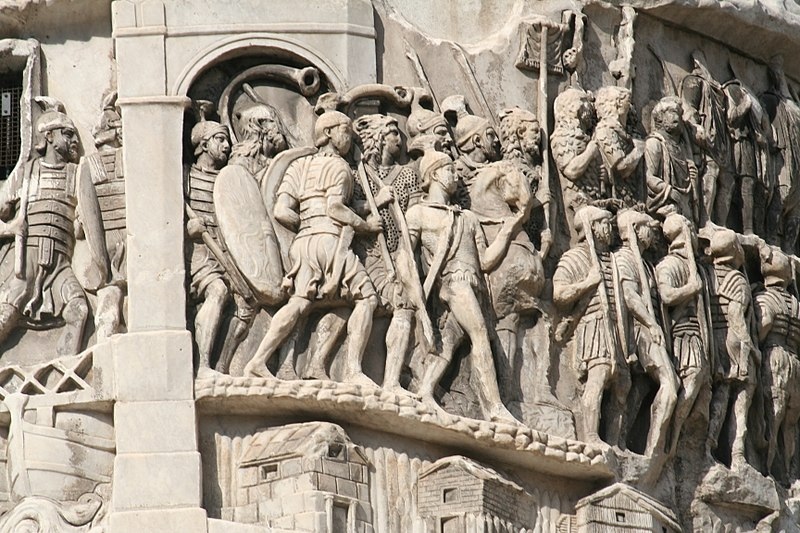 The Aurelian Column. Second half of the 2nd century AD
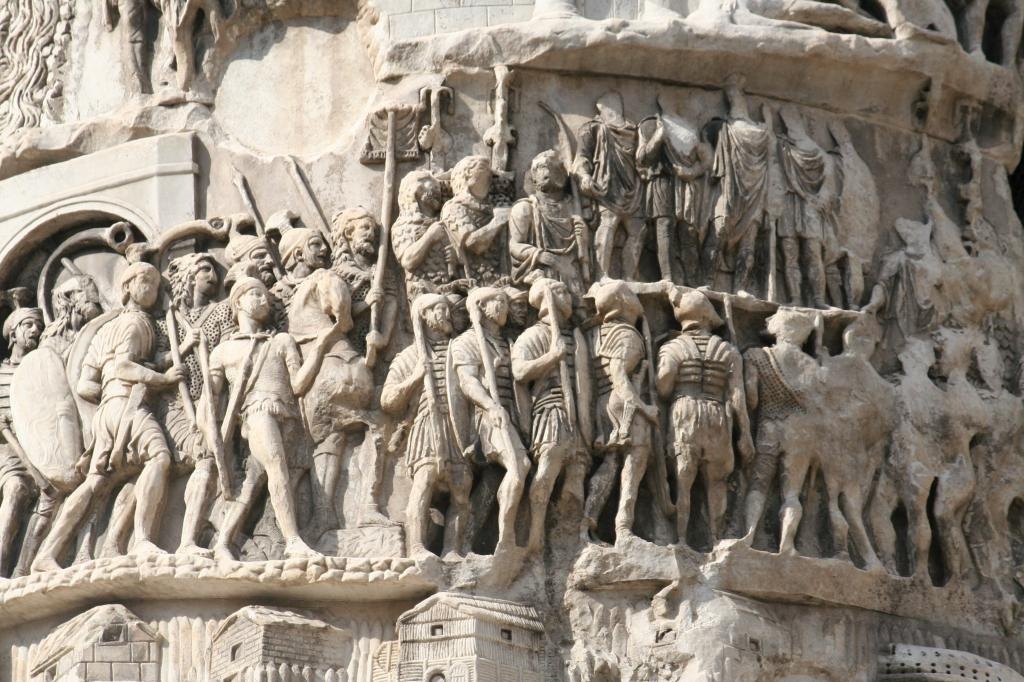 The Aurelian Column. Second half of the 2nd century AD
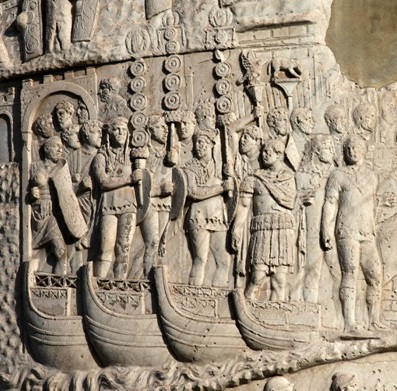 Trajan's column in Rome. Early 2nd century
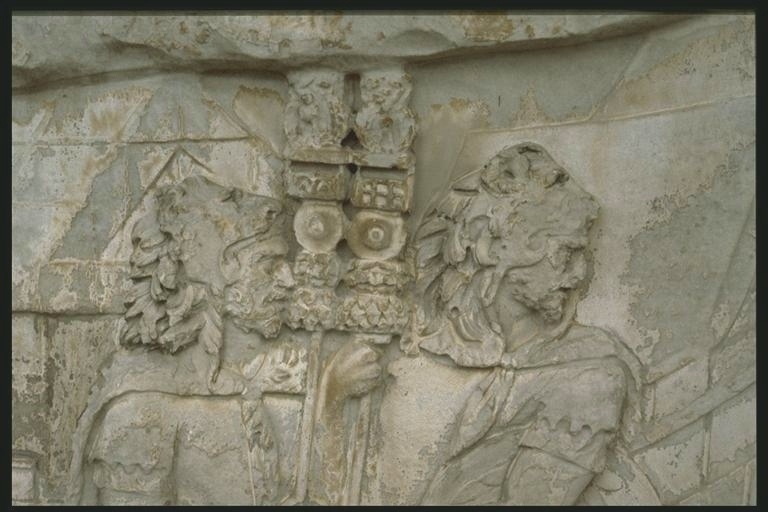 Signifiers in lion skins. Trajan's column. First half of the 2nd century AD
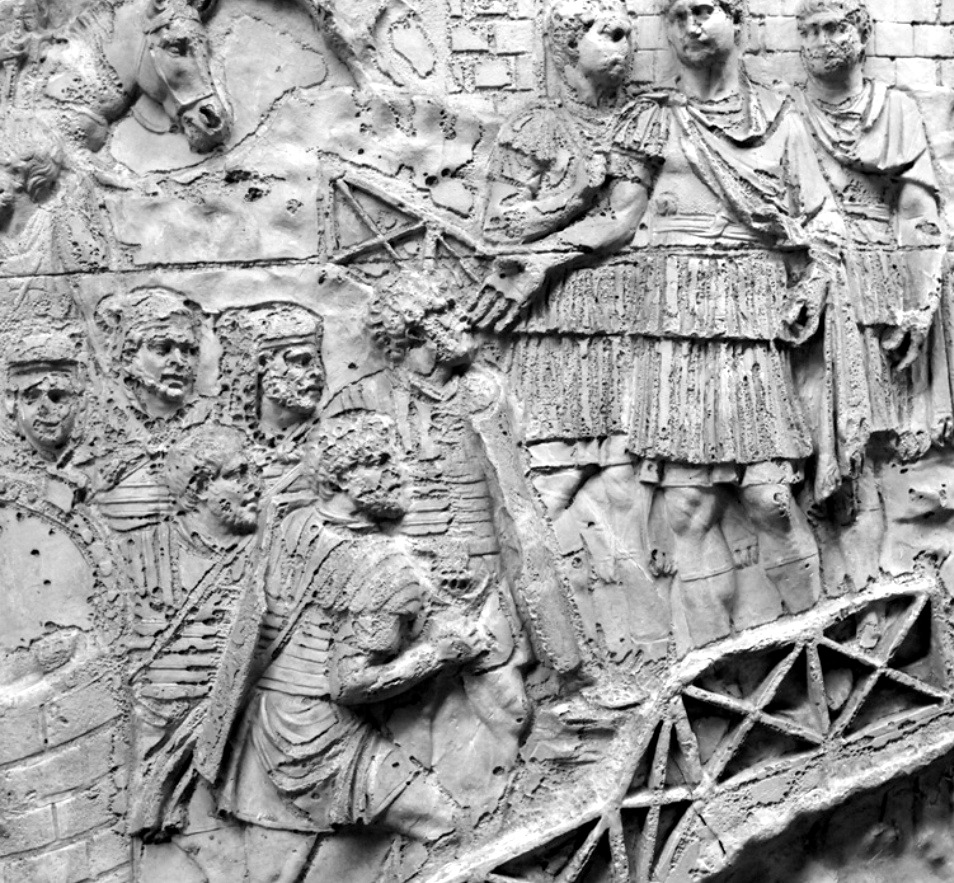 Trajan's column. In the background,flag bearers in skins and segmentata. Early 2nd century AD
 Trajan's column. In the background,flag bearers in skins and segmentata. Early 2nd century AD
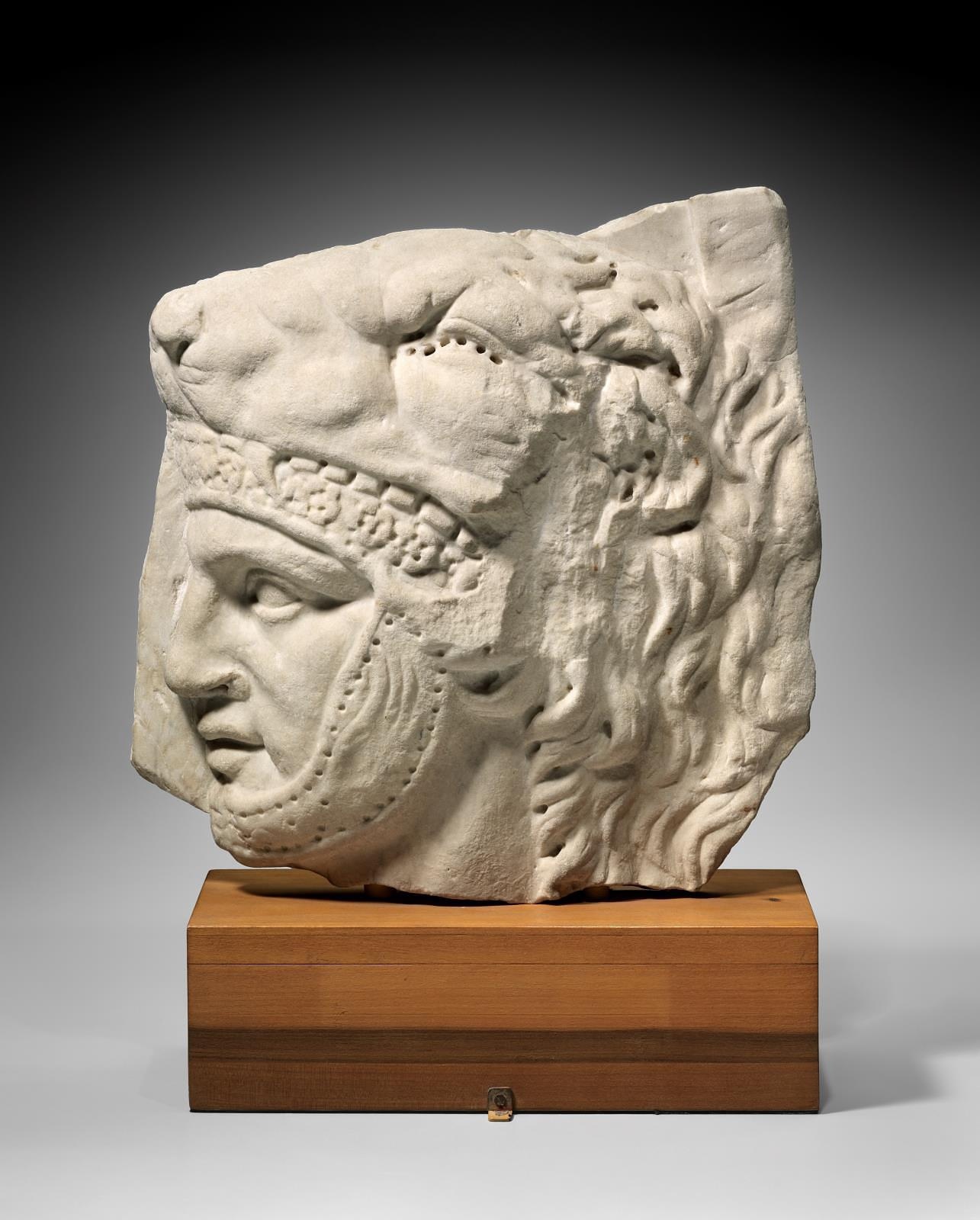 Fragment of a bas-relief with a standard-bearer in the skin of a lion. Courtesy of the Museum of Fine Arts,Boston. 1-2 century AD
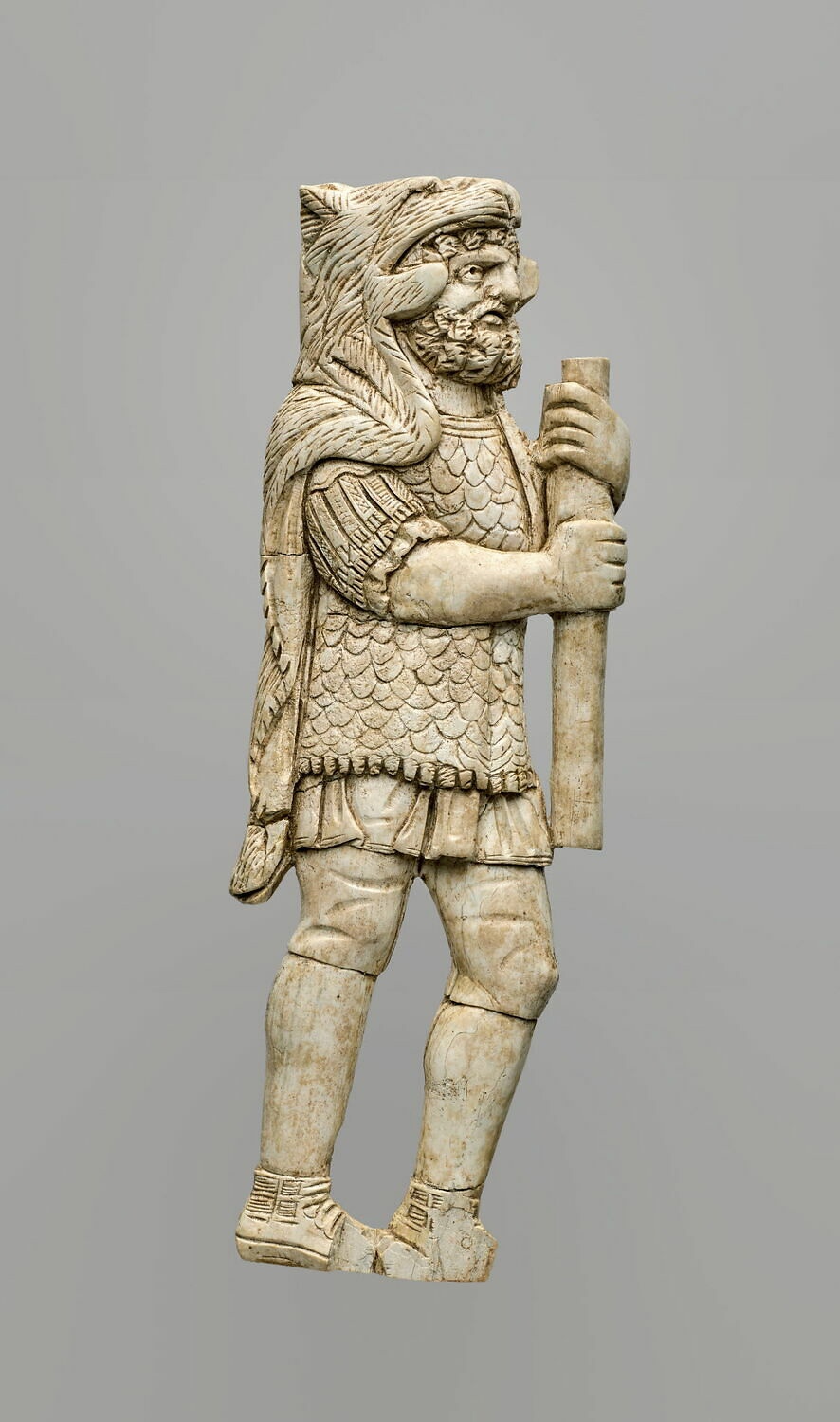 Roman standard bearer. Find from Lebanon. Dimensions Height: 17.6 cm,width: 5.9 cm,depth: 1.2 cm. Weight: 67.8 g. Material-ivory. 2nd century AD
 Roman standard bearer. Find from Lebanon. Dimensions Height: 17.6 cm,width: 5.9 cm,depth: 1.2 cm. Weight: 67.8 g. Material-ivory. 2nd century AD
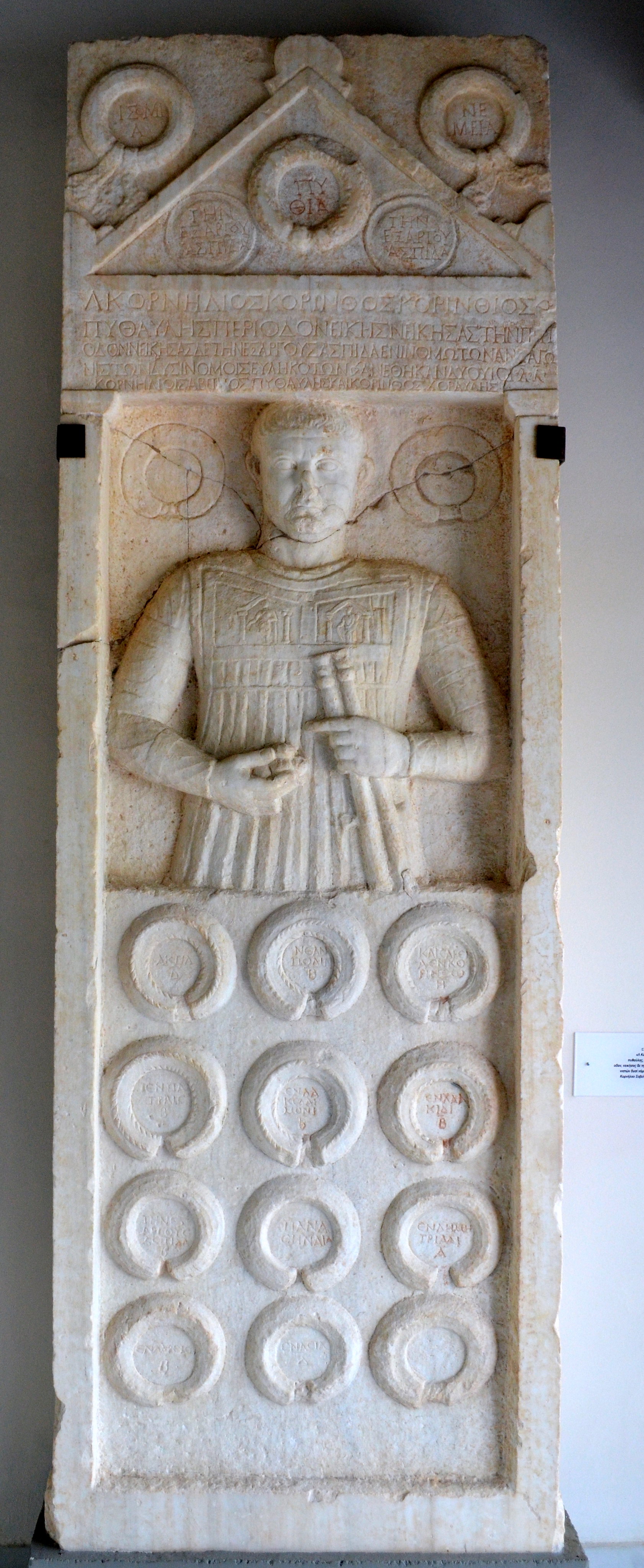 Tombstone stele dedicated to the musician L. Cornelia Sabin and in memory of his many "musical victories". Found embedded in the northeast gate of the Hexamilion wall,Isthmia. Isthmian Archaeological Museum,Greece IΣ 69-1. Mid-2nd century AD
Interested in Ancient Rome beyond reading? Join Legio X Fretensis or explore our reenactment directions.


